Eli Lilly’s Foundayo Launches in UK Amid Counterfeit Risks

Eli Lilly’s daily oral GLP-1 pill Foundayo is now available at UK pharmacies via private prescription.
Unlike injectable GLP-1 medicines, the tablet can be taken without restrictions around food or water. Phase III trials have demonstrated significant weight loss in adults with obesity or overweight, including those with type 2 diabetes.
In August 2026, the UK’s Medicines and Healthcare products Regulatory Agency (MHRA) approved the medication for use, making the UK the first country in Europe to approve Foundayo.
Eli Lilly said it is also working with the National Institute for Health and Care Excellence (NICE) as it assesses Foundayo for potential use on the NHS in England.

Foundayo is the second GLP-1 tablet for weight management to launch in UK pharmacies, following Novo Nordisk’s oral Wegovy.
The UK decision follows approval by the US Food and Drug Administration (FDA) in April 2026, when the US became the first market to authorise Foundayo.
- 1,390 prescriptions: Foundayo's first-week US prescriptions after launch in April 2026.
- 10,248 prescriptions: Weekly prescriptions on week 5 after launch, up from 7,335 the previous week, according to IQVIA data.
- 20,000+ prescriptions: Weekly US prescriptions by week 10 after launch.
- US$98m revenue: Lilly's Foundayo sales in Q2 2026, its first partial quarter after launch.
Counterfeit concerns remain
Following UK approval of the oral formulation of Wegovy, a National Pharmacy Association (NPA) survey found that 97% of pharmacies are concerned its introduction could increase the risk of counterfeit or unlicensed products entering the market.
Patients are being encouraged to use safe and regulated pharmacies when accessing Wegovy or Foundayo and engage in a thorough consultation before starting the treatment.
Although MHRA has authorised two oral GLP-1 medications for use in the UK, neither is currently available on the NHS.
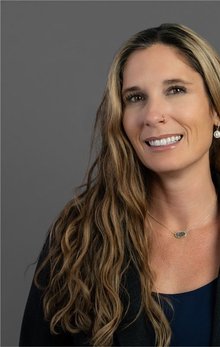
Heather Clarke-Hite, Director of Product Management at Crane Authentication, a technology firm specialising in product authentication, says pharmacists are concerned about oral medications because “tablets are often easier to manufacture than injectables, and criminals are capable of infiltrating legitimate supply chains operating on a vast scale.”
For consumers, on the other hand, “the risk…is that counterfeit pills carry no guarantee of what is actually inside the tablet. It might be the wrong dose, the wrong compound entirely, or contaminants never intended for human consumption,” Heather continues.
Technology needed to ensure legitimate supply
Technological solutions will be key to ensuring the UK’s supply of oral GLP-1 medications is safe and authentic.
Technology could provide multiple layers of protection, from 2D serialisation and RFID tracking to secure micro-optic labels and tamper-evident packaging. Unique identifiers can allow medicines to be authenticated at different points in the supply chain, while track-and-trace systems can create a digital record of a product’s journey from manufacturer to pharmacy.
“Labels can be integrated with track and trace technology, creating a record of a product's movement through the supply chain. ”
Emerging technologies, including AI-powered image authentication and digital product passports, could add further safeguards by helping stakeholders identify anomalies and verify a medicine’s provenance.
Heather explains that, “technologies such as secure micro-optic labelling enable pharmacists and supply chain stakeholders to verify a product’s authenticity, with tamper-evident options protecting against label harvesting for illicit reuse.
“The labels can be integrated with track and trace technology, creating a record of a product's movement through the supply chain, enabling suppliers to verify provenance and identify potential diversion.”
A step in the right direction
The rollout of Foundayo through regulated UK pharmacies gives consumers a legitimate route to accessing the medication, potentially helping steer patients away from unregulated sources.
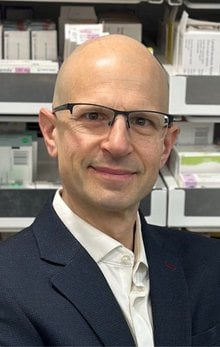
Speaking at the time of the NPA survey's publication that highlighted concern among pharmacists, Olivier Picard, Chair of the NPA, says, “The NHS roll out remains extremely slow and community pharmacy is ready to support a wider roll out, which will help eligible patients access treatment safely and help mitigate the impact of obesity on the NHS.
“Pharmacies are concerned about a dangerous and growing black market for weight loss medicines, with tablet form of medication likely to be easier for criminals to counterfeit.
“Patients should be wary of sites offering medicines at a cost that is too good to be true or providers who are not offering consultations before prescribing.”
Some UK pharmacies, including Asda Pharmacy, have introduced a disposal scheme for consumers who have purchased unregulated weight management products, highlighting the concern surrounding counterfeit medicines from unregulated routes.
Eli Lilly – key partners
NVIDIA
CEO: Jensen Huang | HQ: Santa Clara, California
NVIDIA is a US technology company specialising in accelerated computing and artificial intelligence. Lilly and NVIDIA are investing up to US$1bn over five years in an AI co-innovation lab focused on drug discovery, robotics and physical AI.
Insilico Medicine
CEO: Alex Zhavoronkov | HQ: Hong Kong
Insilico Medicine is an AI-powered drug discovery company. Lilly expanded its partnership with Insilico in 2026 through a deal worth up to US$2.75bn, combining Insilico’s AI platforms with Lilly’s drug development expertise to advance novel oral medicines.
CVS Health
CEO: David Joyner | HQ: Woonsocket, Rhode Island
Eli Lilly is partnering with CVS to expand access to Zepbound and Foundayo, with eligible patients able to view transparent pricing through the CVS Health app and access same-day pickup and pharmacist support at CVS pharmacies.
Company portals


Executives
Heather Clarke-Hite
Director, Product Management
Olivier Picard
Chair