
GSK Wins First Approval for Hepatitis B Drug Bepirovirsen
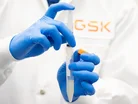
British pharmaceutical giant GSK has received its first global approval for chronic hepatitis B (CHB) drug bepirovirsen from Japanese regulators.
Branded in Japan as Hibsago, it is the first and only functional cure treatment for CHB approved in the country.
The development is crucial from a global perspective as current CHB treatments can suppress the virus and reduce the risk of complications such as cirrhosis and liver cancer, but generally do not eradicate the infection. Bepirovirsen differs as it is the first treatment designed to deliver a functional cure.
CHB remains a major global health challenge and a leading driver of liver cancer. In Japan, nearly one million people are living with CHB, which contributes to around 4,000 deaths each year.
Discussing the drug’s approval, Tony Wood, Chief Scientific Officer at GSK, says: “For the first time, a treatment approved for functional cure is available to people living with chronic hepatitis B in Japan with Hibsago.
“After 6-months of treatment with Hibsago, patients could be freed from life-long therapy and reduce their risk of long-term liver complications. This is a major advance for CHB management and our innovative hepatology portfolio, and we look forward to further regulatory decisions in other countries.”

GSK is a global biopharma company focused on specialty medicines, vaccines and general medicines. Its hepatology portfolio includes a broad investigational pipeline.
“Unprecedented” results
The approval was supported by results from the B-Well Phase III trials, which found that 19% of adults with lower levels of the hepatitis B surface protein HBsAg achieved a functional cure after treatment with bepirovirsen. This compares with around 1% of patients achieving a functional cure after one year with current standard treatments.
A functional cure means the hepatitis B virus and HBsAg are no longer detectable in the blood for at least 24 weeks after treatment ends, suggesting the immune system can control the virus without ongoing medication.
“This is a major advance for CHB management and our innovative hepatology portfolio, and we look forward to further regulatory decisions in other countries. ”
Losing HBsAg has also been linked to an up to 89% lower risk of liver cancer and a 62% lower risk of death from any cause.
The Hibsago approval was fast-tracked under Japan’s SENKU designation, which supports innovative medicines that could address significant unmet medical needs.
- 240 million – people living with chronic hepatitis B worldwide.
- 1.1 million – deaths caused by hepatitis B-related cirrhosis and liver cancer in 2024.
- 900,000 new chronic hepatitis B infections recorded in 2024.
- 27% of people with chronic hepatitis B had been diagnosed in 2024.
- 4.3% of people living with chronic hepatitis B were receiving treatment in 2024.
A global health concern
Hepatitis B affects around 240 million people worldwide, yet many remain unaware they are living with the chronic infection. World Health Organisation (WHO) estimates that just 27% of people with chronic hepatitis B know their status, while fewer than 5% receive treatment.
WHO also reports that deaths from hepatitis B have risen since 2015, driven in part by gaps in diagnosis and access to care. It is also a leading cause of liver cancer globally.
“CHB remains one of the most underestimated preventable contributors to cancer, despite its well-established role in the development of liver cancer,” writes Judith Absalon, Head of Specialty Development at GSK, on LinkedIn.
“As global strategies increasingly focus on prevention and earlier intervention, improving understanding of CHB should be considered an integral component of efforts to reduce preventable liver cancer and long-term liver-related morbidity and mortality,” she continues.
A report published in the medical journal The Lancet in August 2026 also warned that Europe could miss its 2030 hepatitis elimination targets.
Against this backdrop, innovative medicines designed to tackle this disease, such as bepirovirsen, are crucial to advancing global health efforts.
Key GSK partner – Ionis Pharmaceuticals
Headquarters: Carlsbad, California
CEO: Brett Monia
Ionis Pharmaceuticals is a US biotechnology company specialising in RNA-targeted medicines. GSK licensed bepirovirsen from Ionis and collaborated with the company on its development. The partnership brings together Ionis' expertise in antisense technology and GSK's global development and commercial capabilities.
Speaking at the time of the B-Well Phase III trial results publication, Brett said: "These results represent an important advance for the millions of people living with chronic hepatitis B, for whom there is currently no approved therapy that can achieve a meaningful functional cure.
“Bepirovirsen is uniquely positioned to address this persistent viral infection through its potential to reduce hepatitis B virus replication, suppress hepatitis B surface antigen and stimulate the immune system.”
Company portals


Executives
Brett P. Monia, PhD
Chief Executive Officer
Judith Absalon
Head of Specialty Development
Tony Wood
Chief Scientific Officer