
GSK’s £400m Commitment to the UK Life Sciences Industry
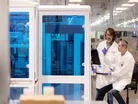
GSK has reaffirmed its commitment to the UK's life sciences sector, pledging to invest £400m (US$531m) in the country over the next three years.
The centrepiece of the investment is a new research and development hub at Cambridge Biomedical Campus, strengthening GSK's presence within the UK's renowned life sciences "Golden Triangle" of Cambridge, Oxford and London.
As part of the restructure, GSK will close its Stevenage R&D site by 2029, while upgrading its nearby research laboratories in Ware and relocating some employees to the facility.
Luke Miels, CEO at GSK, says the investment “will accelerate our R&D and help us deliver new, competitive products. It integrates GSK further into one of the world’s leading centres of knowledge and demonstrates the attractiveness of the UK’s life sciences ecosystem.”
A state-of-the-art facility
Located on one of Europe's largest biomedical campuses, GSK’s Cambridge site, which is being built by logistics real estate leader Prologis, will provide scientists with direct access to a world-leading ecosystem of research, clinical care and academia.
Featuring state-of-the-art laboratories, it places GSK alongside more than 470 life sciences, biotech and AI companies and 22,000 industry colleagues, while supporting a campus that treats more than one million patients each year.
Tony Wood, Chief Scientific Officer at GSK, says: "Cambridge has built one of the world's best life sciences ecosystems, with leading universities, hospitals and biotech companies.
"The campus provides exceptional opportunities for collaboration. With our existing connections and experience, we see this move as a catalyst for faster, bolder medicines discovery by accelerating the science that matters most for GSK's next wave of medicines."
UK's growing life sciences momentum
The announcement has been welcomed by the UK Government, with Prime Minister Andy Burnham describing the investment as another sign of confidence in Britain's research and innovation ecosystem.
In a statement, the Prime Minister says: "This investment by GSK is a vote of confidence in British business. A boost for home-grown innovation and expertise. And a step towards more people getting access to new medicines and cutting-edge treatments that will change lives for the better."
GSK's latest commitment builds on more than £3bn (US$4bn) of life sciences investment secured under the government's Life Sciences Sector Plan, which aims to establish the UK among the world's top three life sciences economies by 2035.
The investment also reflects growing competition among global pharmaceutical companies to strengthen their UK research facilities.
In April 2026, AstraZeneca committed £300m (US$399m) to UK operations, including a £200m (US$266m) expansion of its Cambridge R&D facilities and a new “lab of the future” in Macclesfield.
Investing for growth while improving efficiency
Alongside its investment plans, GSK unveiled a £1.9bn (US$2.5bn) cost-saving programme in its Q2 2026 earnings report, targeting completion by 2029 as it seeks to reinvest in research and development while improving long-term profitability.
The company also raised its ambitions for its clinical pipeline, announcing it now expects to initiate more than 20 late-stage clinical studies during 2026 – double its previous target.

The increase follows accelerated progress across 18 disease indications involving seven experimental medicines spanning oncology, respiratory disease, hepatology and vaccines, reflecting GSK's strategy of concentrating investment in high-growth therapeutic areas with significant unmet patient need.
The company has also continued to strengthen its pipeline through targeted acquisitions. In July 2026, GSK completed a US$10.6bn acquisition of Nuvalent, expanding its portfolio of precision oncology candidates and reinforcing its focus on next-generation cancer therapies.
Company portals




Executives
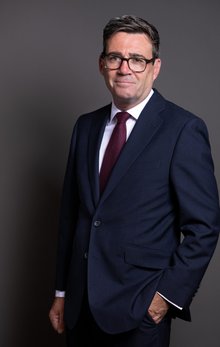
Andy Burnham
Prime Minister of the United Kingdom
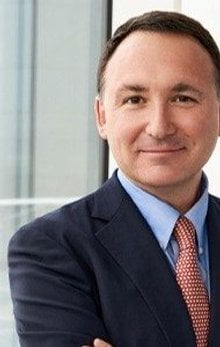
Luke Miels
Chief Commercial Officer
Tony Wood
Chief Scientific Officer