How is Novo Nordisk Boosting Sustainability in Healthcare?

The healthcare sector is responsible for around 5% of global greenhouse gas emissions, intensifying pressure on pharmaceutical leaders to grow responsibly while ensuring access to care.
Against this backdrop, Novo Nordisk’s 2025 Sustainability Statement within its Annual Report places its “triple bottom line” – financial, social and environmental – at the centre of long‑term value creation, not as an auxiliary initiative.
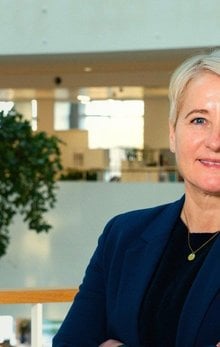
“Sustainability is something Novo Nordisk remains committed to each year,” says Dorethe Nielsen, VP Environmental Responsibility at Novo Nordisk.
“Despite an increasing environmental footprint in 2025 as we aim to serve more patients, we made important progress on our environmental ambitions and targets.
“This included:
- “Morenature strategy advanced with more than 10% of glucose sourced fro
- than 3,000 suppliers committed to renewable electricity sourcing, increasing supplier coverage based on CO₂ from 41% to 54%
- “Our plastic footprint per patient was reduced by 5%
- “Our regenerative sources.”
Driving supplier collaboration and decarbonisation
Novo Nordisk’s journey toward decarbonisation is tightly linked to its supply chain, which houses most of its Scope 3 emissions.
The company has reiterated its goal to achieve net zero across scopes 1, 2 and 3 by 2045, supported by interim milestones including zero Scope 1 and Scope 2 emissions on a market‑based basis.
Supplier engagement is viewed as a vehicle for innovation rather than compliance, underpinned by an Environmental Guide for Suppliers and CMOs defining expectations across climate, water and plastics.
Partners are required to follow Novo Nordisk’s Responsible Sourcing Standard, track and cut their emissions, and co‑develop new materials, processes and technologies that drive efficiency and waste reduction across the ecosystem.
Reducing plastics in production and packaging
As a global leader in diabetes care and obesity treatments, Novo Nordisk relies heavily on plastic for its devices and packaging, making material innovation critical.
Its 2025 Sustainability Statement introduces both near‑ and long‑term goals targeting reductions in plastic footprint and zero landfill status, including a target to cut plastic footprint per patient from diabetes and obesity products by 30% by 2033 versus a defined baseline.
To deliver this, Novo Nordisk collaborates with raw‑material suppliers and contract manufacturers to cut plastic use, replace virgin fossil‑based plastics, and integrate circular alternatives.
Suppliers are expected to identify redesign opportunities, lower component weight, and boost recycled or bio‑based content, without compromising device integrity or patient safety.
Advancing nature‑positive ambitions
With nature loss becoming a systemic global risk alongside climate change, Novo Nordisk stands among the first pharmaceutical companies to adopt explicit nature‑positive ambitions. It aims to halt nature loss across its value chain by 2033 and reach a nature‑positive position by 2045, by focusing on land, water and biodiversity impacts.
This approach aligns with its Circular for Zero strategy and nature roadmap, which interlink climate, plastics and nature goals. Initiatives include sourcing wheat and maize from regenerative farms, addressing deforestation in paper and cardboard supply chains, and reinforcing water stewardship in high‑risk sites and upstream networks.
Ensuring access and inclusive value creation
While environmental metrics often dominate the sustainability agenda, Novo Nordisk’s 2025 statement gives equal importance to its social mission and impact on public health.

In 2025, the company provided medical treatment to 42.0 million people living with diabetes and 3.6 million people living with obesity, reflecting increased demand and wider reach.
These efforts sit within the company’s overarching “purpose and sustainability” ambition to enhance quality of life, strengthen patient safety, and create value for society. They span affordability and access programmes in low‑ and middle‑income countries, plus partnerships that improve health systems and support the SDGs.
Sustaining growth through responsible transformation
Novo Nordisk’s 2025 Annual Report highlights the challenge shared by fast‑scaling pharmaceutical firms: total CO₂e emissions across scopes 1, 2 and 3 rose by 19% year‑on‑year, even as sales and operating profit remained strong.
The company acknowledges that transforming sustainably requires substantial ongoing investment, including restructuring and acquisitions, while maintaining that enduring success depends on harmonising financial growth with environmental and social performance.
Company portals

Executives
Dorethe Nielsen
Vice President - Corporate Environmental Strategy