How Novo Nordisk is Partnering for Amazon Rainforest Health

A healthcare company is supporting forest restoration in the Amazon through a partnership that connects planetary health with climate action.
Novo Nordisk has entered into an agreement with Brazilian ecological restoration company re.green to develop a large-scale project in Pará state.
The 20-year collaboration aims to restore approximately 500 hectares of degraded land in Paragominas municipality.
According to the partnership agreement, the project could generate around 87,000 carbon removal credits by capturing CO₂ from the atmosphere and storing it within restored forest ecosystems.

Natural regeneration with active planting
Novo Nordisk's partnership with re.green follows the Brazilian company's recognition as a 2025 Earthshot Prize winner.
The restoration project will use native Amazon tree species, combining natural regeneration with active planting techniques to accelerate recovery.
The initiative demonstrates how healthcare organisations are expanding their environmental commitments beyond operational emissions.
Novo Nordisk selected the Amazon region as a focus area due to connections between ecosystem health and human health outcomes.
Forest restoration supports water security and biodiversity in regions where access to healthcare depends on stable environmental conditions.
The project aims to create economic opportunities for local communities while addressing climate challenges that affect public health systems.
The initiative will include sustainable management of native timber across up to 30% of the restored area.
This approach aims to balance conservation objectives with economic value for participating landowners.
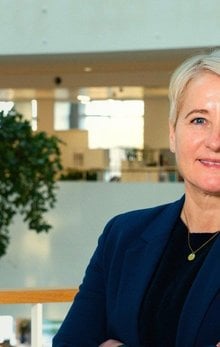
"As we grow to serve more patients, reducing our environmental impact remains a core priority for Novo Nordisk," says Dorethe Nielsen, Associate Vice President, Environmental Responsibility at Novo Nordisk.
"Brazil is deeply important to us - not only for the patients we serve here but because the country is home to ecosystems like the Amazon that are vital for climate stability, water security and biodiversity."
Dorethe continued: "This partnership reflects our ambition to address climate and nature impacts through credible, science-based solutions and long-term collaboration with trusted local partners."
Restoration project targets biodiversity return
The project aims to restore ecological functionality across degraded landscapes in one of the world's most biodiverse regions. By creating suitable habitats for native wildlife, the initiative could support the return of species that have declined due to deforestation.
Improved vegetation cover could enhance water availability and contribute to the recovery of local water resources. Continuous monitoring using field assessments and advanced remote sensing technologies will track forest growth and measure environmental impacts throughout the project's lifespan.
The carbon credits generated are set to be certified under science-based methodologies and standards aligned with the Integrity Council for the Voluntary Carbon Market's guidelines. According to re.green, the first issuance is expected in 2031.
Long-term partnerships with rural landowners aim to ensure the permanence of restoration efforts through legally binding land-use agreements that extend beyond the financing period. The project also aims to strengthen local supply chains for native seeds and seedlings.
Amazon ecosystem connects to health outcomes
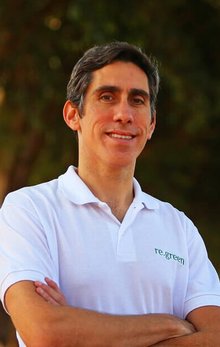
Thiago Picolo, CEO at re.green, explains the connection between ecosystem health and broader health priorities. "The Amazon is one of the most important and most threatened ecosystems on the planet," Thiago told Sustainability Magazine.
"It plays a decisive role in global climate stability, water security, and biodiversity - not just for Brazil, but for the world," he said.
"When a global healthcare company like Novo Nordisk wants to make a credible, long-term contribution to nature, the Amazon is the obvious place to do it. You cannot talk seriously about planetary health and ignore it."
The partnership demonstrates how companies in the healthcare sector are recognising environmental determinants of health.
Climate stability and water security affect disease patterns, food systems and healthcare infrastructure in regions where Novo Nordisk operates.
"Large-scale restoration of our tropical forests depends on collaboration among stakeholders committed to the climate agenda and on initiatives capable of transforming degraded areas into functional ecosystems," says Thiago.
"Our partnership with Novo Nordisk reinforces this movement and demonstrates how the private sector can make a tangible contribution to restoring landscapes in regions like the Amazon, one of the most important and threatened biomes in the world."
Earthshot Prize recognition accelerates growth
The partnership follows re.green's selection as a 2025 Earthshot Prize winner. Founded by Prince William in 2020, the prize identifies and celebrates solutions that aim to help repair the planet by 2030.
The recognition provided re.green with £1m (US$1.30m) in funding and access to a global network of partners.
This support has helped the company expand its operations and attract additional partnerships with organisations seeking credible nature-based solutions.
"Winning the Earthshot Prize was almost surreal for us," Thiago says
"Our founder, Bernardo Strassburg, recalls watching Sir David Attenborough announce the creation of the Prize back in 2020, a moment that literally sparked the idea of starting re.green. In our very first planning session in 2022, we listed winning The Earthshot Prize as one of our very own "moonshots." The fact that we got there, in less than five years, says everything about the quality of our science and our team."
Thiago continued: "The recognition has been transformative. It not only validated that what we do (large-scale ecological restoration with a real economic model) is not only credible and world-class, but it opened doors with global partners and investors looking for proof of concept and prestige."
Economic model supports community development
The project aims to deliver environmental benefits alongside social and economic outcomes for surrounding communities.
The sustainable management component creates opportunities for local employment in native timber production and forest monitoring activities.
Restoration activities will support the development of regional supply chains for native seeds and seedlings.
These economic activities aim to provide alternatives to land uses that contribute to deforestation.
"This brings benefits not only to biodiversity and the planet, but also supports the development of surrounding communities," Thiago said.
The combined environmental, social and economic outcomes demonstrate how restoration projects can support sustainable development while addressing climate challenges.
"The partnership with Novo Nordisk is a direct reflection of that, and we continue to raise the bar: winning the concession of Bom Futuro National Forest, issuing our first carbon credits in 2026, and pushing toward our goal of one million restored hectares," Thiago said.
"The Prize was a milestone, not a finish line. It changed something not just for re.green, but for the sector as a whole. It showed that restoration at scale is real, and that the private sector can be part of the solution."
Company portals


Executives
Dorethe Nielsen
Vice President - Corporate Environmental Strategy
Thiago Picolo
CEO