
Is Roche Becoming a Contender in the Obesity Drug Market?
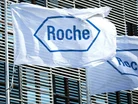
The Swiss pharmaceutical giant Roche has announced landmark results from its phase two clinical trial of CT-388, a weight-loss drug.
The data reveals that a once-weekly subcutaneous injection of the drug resulted in a statistically significant, placebo-adjusted weight loss of 22.5% at 48 weeks.
This was achieved at the highest tested dose of 24 mg. Crucially for healthcare and finance executives, the study noted that participants had not yet reached a weight-loss plateau by the end of the trial period, suggesting the potential for greater clinical impact over longer durations.

Addressing the global challenge of obesity
Obesity remains the most significant single risk factor for chronic disease worldwide, with projections suggesting over four billion people – more than half the global population – will live with excess weight by 2035.
Roche is positioning CT-388 as a standalone weight-loss product and as a transformative standard of care.
By targeting both GLP-1 and GIP receptors, the drug aims to reduce appetite and regulate blood sugar.
All sustainability, net zero and sustainable procurement leaders should attend:
- Procurement & Supply Chain LIVE: The Net Zero Summit - QEII Centre, London, March 4-5
- Procurement & Supply Chain LIVE: The US Summit - Navy Pier, Chicago, April 21-22
Co-located with Sustainability LIVE, these events brings together CPOs, CSCO, CSOs, ESG leaders and senior decision-makers at a moment when sustainability, supply chains and commercial performance are increasingly interconnected.
Tickets can be booked online today for The Net Zero Summit and The US Summit. Group discounts available.
Levi Garraway, Roche’s Chief Medical Officer, says: “The robust weight loss combined with a well-tolerated safety profile reinforces our confidence in the clinical development programme.”
Exceptional outcomes in obesity and glycaemia
The trial metrics appear to extend beyond weight reduction to more comprehensive metabolic improvements.
In the 24 mg dose cohort, 54% of participants achieved a complete end to obesity, bringing their BMI below 30 kg/m².
The drug showed significant promise for pre-diabetic patients: 73% of those treated with the 24 mg dose achieved normal blood glucose levels at week 48, compared to just 7.5% in the placebo group.
These outcomes highlight the drug's potential to reduce long-term healthcare expenditure by reducing conditions such as Type 2 diabetes.

Market-leading companies
The companies with weight-loss drugs on the market are:
- Novo Nordisk: The Danish giant established the modern market with Wegovy. It also produces Ozempic and Rybelsus (diabetes) and Saxenda (older weight-loss drug).
- Eli Lilly: A major competitor with Zepbound (tirzepatide), which was approved for chronic weight management in late 2023. It also produces the same molecule under the brand Mounjaro for diabetes.
Major healthcare companies in development
Several other 'big pharma' companies have weight-loss medication in various clinical trial stages:
- Amgen: Developing MariTide, an injectable that may require less frequent dosing (monthly) than current weekly options
- Pfizer: Testing an oral weight-loss drug called danuglipron
- AstraZeneca: Paid up to US$2bn for an experimental weight-loss pill from Eccogene
- Boehringer Ingelheim: Partnering with Zealand Pharma on survodutide
- Regeneron: Developing combination therapies designed to prevent muscle loss during rapid weight reduction.
Safety profile and operational tolerability standards
The safety and tolerability profile of CT-388 was generally consistent with the established incretin class of medicines.
The majority of adverse events were gastrointestinal-related and classified as mild-to-moderate.
The discontinuation rate due to adverse events was low, recorded at 5.9% in the CT-388 arms versus 1.3% in the placebo arm.
Roche mandate and history of innovation
Founded in 1896 in Basel, Switzerland, Roche has evolved into one of the world’s largest biotechnology companies and a global leader in in-vitro diagnostics.
The firm is a majority shareholder in Japan's Chugai Pharmaceutical and the parent company of Genentech in the United States.
Company portals






Executives
Levi Garraway
Executive Vice President, Head of Global Product Development and Chief Medical Officer