
NHS Rolls Out At-Home HPV Tests to Prevent Cervical Cancer
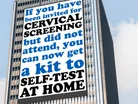
Almost 4 million women will be offered at-home human papillomavirus (HPV) self-testing kits across England as the NHS aims to eliminate cervical cancer by 2040.
Around 69% of eligible women are currently up to date with their cervical screening – below the NHS target of 80%.
If high-risk HPV is detected, the individual will be invited to attend a follow-up cervical screening appointment at their GP surgery or sexual health clinic, where a nurse or doctor will take a sample from the cervix to check for abnormal cell changes.
“Screening saves thousands of lives each year by preventing cancers and catching them earlier, but only around two-thirds of women are attending cervical screening appointments when invited by the NHS,” says Dr Sue Mann, National Clinical Director for Women’s Health at NHS England.
“Offering millions of women an alternative test they can do from the comfort of their own homes will be a gamechanger – making it easier than ever for them to get tested for HPV.”

Overcoming inequalities
Crucially, NHS England’s HPV at-home testing is designed to overcome barriers for people who struggle to attend in-person appointments.
The approach could be particularly important for the millions of women who have repeatedly not responded to screening invitations.
The NHS says the programme is intended to provide an additional avenue for HPV testing, rather than replacing clinician-led cervical screening entirely, with women who receive a positive high-risk HPV result still requiring follow-up.
Michelle Mitchell, CEO of Cancer Research UK, writes on LinkedIn: “The rollout of HPV self-testing for some women aged 30 to 65 in England will give more women the opportunity to take part in the cervical screening programme.
"This is a hugely positive development for those who may face barriers to attending appointments, whether because of difficulty in getting to their GP, embarrassment, or other challenges.”
NHS England’s new scheme will “give women who wouldn’t otherwise have been screened an additional option, helping more people access this life-saving programme in a way that works for them,” continues Michelle.
“This is a hugely positive development for those who may face barriers to attending appointments, whether because of difficulty in getting to their GP, embarrassment, or other challenges. ”
Cervical cancer state-of-play
Cervical screening is central to the prevention of cervical cancer, as the NHS tests samples for high-risk types of HPV that can cause changes to cervical cells.
Almost all cervical cancers (99.8%) are caused by HPV, making vaccination and screening central to the NHS's ambition to eliminate the disease by 2040.
Adding to the urgency of eliminating cervical cancer by 2040, screening participation has also declined over the longer term, falling from 77.8% in 2014 to 68.8% in the latest figures.
For the NHS, elimination means reducing cervical cancer incidence to fewer than four cases per 100,000 women.
- 4 million: women in England are not up to date with cervical screening
- 68.8%: eligible women who were up to date in the latest figures
- 80%: NHS England's cervical screening coverage target
- 99.8%: UK cervical cancers caused by HPV
- 400,000: additional women the YouScreen trial estimated could potentially be screened each year through self-testing
- 2040: NHS England's target for eliminating cervical cancer
Discussing the importance of the scheme on LinkedIn, Lauren Latham, Deputy Director of Digital Screening at NHS England, writes, “I'm incredibly proud that the NHS will now be sending kits to almost 4 million women who haven't taken up previous cervical screening invitations via a digital-first service. That’s 4 million more opportunities to engage these people.
“If we screen more people, we’re preventing more people from getting cancer.”
King’s College London and the YouScreen evidence
The national rollout of at-home HPV tests follows the YouScreen trial, conducted by North London cancer alliances in collaboration with NHS England and King’s College London.
The trial examined whether offering HPV self-sampling could increase participation among women who were under-screened. It found that offering self-testing at GP practices or through home-based kits could enable around 400,000 additional women in England to participate in cervical screening each year.
The findings subsequently contributed to the UK National Screening Committee’s recommendation to introduce HPV self-sampling for people who delay screening or do not attend following invitations.
Company portals


Executives

Dr Sue Mann
clinical leader women’s health, city and hackney
Michelle Mitchell OBE
Chief Executive Officer