Roche Secures Rights to Rona’s Novel Obesity RNAi

The Swiss pharmaceutical giant Roche has secured exclusive rights to an investigational RNAi (RNA interference) therapy produced by Rona Therapeutics.
The treatment has the potential to target and inhibit activin receptor-like kinase 7 (ALK7), a protein that occurs within adipose tissue, offering an innovative approach to obesity management.
The deal is projected to reach up to US$1.06bn as development continues. Rona will receive US$100m in upfront and near-term milestone payments.
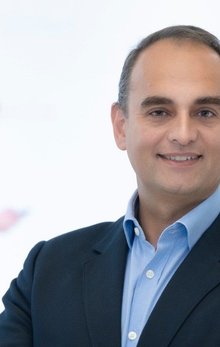
“A huge thank you to the amazing deal and scientific teams at Roche and Rona Therapeutics who made this partnership happen,” writes Enza di Modungo, Vice President of Roche Pharma Partnering, on LinkedIn.
“By combining Rona’s extrahepatic RNAi platform with Roche’s global CVRM capabilities, we are expanding our portfolio to deliver truly differentiated, next-generation therapy options for patients.”
As the obesity market grows increasingly lucrative, Roche’s investment in a novel RNAi therapy accompanies heightened efforts to expand and differentiate its metabolic pipeline.
- Led by CEO Stella Shi, Rona is a biotechnology and therapeutics company based in Shanghai, China.
- Since its 2021 founding, the company has raised around US$200m from investors and partnerships.
- Rona develops siRNA (small interfering RNA) therapeutics, focusing on treatments for metabolic and degenerative diseases.
- It operates three original RNA delivery platforms: GAIA for liver delivery, APOLLO for extrahepatic delivery, and a scalable multi-valent platform.
- In December 2025, its world-first dual-targeting siRNA therapy for cardiovascular disease entered clinical development.
A differentiated approach to obesity treatment
Within obesity pharmacotherapy, appetite-suppressing GLP-1 medicines and incretin-based treatments have become the leading standard of care.
However, limited access, long-term adherence and common side effects – including abdominal pain and extreme nausea – can present barriers to patients approaching GLP-1 treatment. Long-term weight loss maintenance has also proved a challenge.
“While today’s weight-loss therapies deliver meaningful outcomes, a significant unmet need remains: approaches that sustain weight loss while genuinely improving body composition,” explains Manu Chakravarthy, Global Head of Cardiovascular, Renal and Metabolism at Roche.
Roche is therefore investing in a differentiated obesity treatment that targets the biological make-up of fat tissue.
RNAi therapies use small interfering RNA to target and inhibit specific protein production. The company’s investigational obesity treatment targets ALK7, a protein that frequently occurs in adipose tissue.
By targeting ALK7 production, the candidate has the potential to change how fat tissue is regulated by the body. If proven clinically successful, the approach could inhibit ectopic fat while preserving lean bodily mass.
Rona is using its existing extrahepatic delivery platform APOLLO in its investigations. The company has stated that their delivery platforms have demonstrated long-acting potential.
As therapeutic developers work to expand RNA treatments into additional tissues, successful clinical trial results for Rona’s ALK-targeting RNAi could have wider implications for sequence-specific binding.

Roche expands its metabolic pipeline
For Roche, securing the rights to Rona’s RNAi candidate is a significant milestone as the company advances its obesity development pipeline. The company has set its sights on becoming a top-three provider in the obesity market.
Enicepatide is Roche’s lead incretin candidate, a once-weekly injectable GLP-1. It achieved up to 22.5% weight loss at 48 weeks at the highest dose tested in its Phase II trial, and has since progressed to Phase III development.
As the market grows increasingly competitive, Roche is also aiming to broaden treatment pathways and pioneer new approaches to treating obesity.
“We aim to advance holistic cardiometabolic care and transform long-term outcomes for people living with obesity and related metabolic conditions,” says Manu.
Within its wider obesity strategy, Roche is striving to:
- Advance long-term holistic care, instead of pursuing accelerated, short-term weight loss results.
- Develop treatments that address the wider metabolic health complications that often lead to increased body weight.
- Expand conventional weight-loss pathways by investing in non-incretin-based therapies.
- Explore combination therapies and long-acting treatments with partners like Zealand to develop personalised approaches to treating obesity.
- Extend its own obesity pipeline through major acquisitions, leveraging its existing pharmaceutical network to advance candidates and broaden access to acquired treatments.
Rona’s RNAi platform has the potential to deliver long-acting, durable results. Its success as a candidate would allow Roche to bring a novel weight loss option to the obesity care market.
“Obesity represents a significant health challenge that requires differentiated treatment options for patients,” says Boris L. Zaïtra, Head of Corporate Business Development at Roche.
“We are excited to partner with Rona Therapeutics, reinforcing our commitment to delivering next-generation metabolic therapies.”
Roche’s key partners
Zealand
CEO: Adam Steensberg | HQ: Copenhagen, Denmark
Zealand is a Danish biotechnology company focused on peptide-based medicines for metabolic and rare diseases. In March 2025, Roche entered a global collaboration worth up to US$5.3bn with Zealand to co-develop petrelintide, a long-acting amylin analogue for obesity. The deal enables Roche to evaluate petrelintide in combination with its internal incretin pipeline for chronic weight management.
Hanmi
CEO: Hwang Sangyoun | HQ: Seoul, South Korea
Hanmi is a South Korean biopharmaceutical company focused on peptide discovery and metabolic therapeutic platforms. In September 2026, Roche’s Genentech unit signed an exclusive licensing deal with Hanmi for HM17321, an investigational urocortin-2 analog. The partnership aims to develop therapies that promote weight loss while preserving lean muscle mass alongside incretin treatments.
Company portals
Executives
Boris L. Zaïtra
Head of Corporate Business Development
Enza Di Modugno
Pharma Partnering, Vice President - Global Head CVM, Immunology Infectious Diseases,
Manu Chakravarthy MD, PhD
SVP and Global Head of Cardiovascular, Renal and Metabolism Product Development, Roche-Genentech