
Study: Eli Lilly’s Zepbound Linked To Lower Healthcare Costs
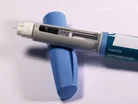
A study of nearly 16,000 adults over 55 with obesity in the US found that individuals using Eli Lilly's Zepbound weight management drug had lower healthcare costs relative to untreated adults not using a GLP-1 treatment.
Zepbound was already the most-prescribed branded weight management medicine in 2025, with Eli Lilly reporting US$4.2bn in Zepbound revenue in Q4 2025 alone.
Fewer hospital and emergency department admissions for Zepbound users drove the lower healthcare costs.
Alongside Zepbound, Eli Lilly’s GLP-1 portfolio includes Type 2 diabetes medications Mounjaro and Trulicity, as well as oral GLP-1 pill Foundayo designed to tackle weight management and type 2 diabetes.
Discussing the results on LinkedIn, David Ricks, CEO of Eli Lilly, writes, “Real-world evidence demonstrates obesity coverage is an investment that pays off for patients and healthcare systems. As Medicare, states and employers consider expanding access to obesity treatment, this report provides valuable evidence to support those decisions.”
“Real-world evidence demonstrates obesity coverage is an investment that pays off for patients and healthcare systems. ”
Real-world evidence
The results, published in the Diabetes, Obesity and Metabolism medical journal, offer a range of real-world results.
The study covered a high-risk demographic: more than 40% of participants had at least four weight-related comorbidities, while 21% also had an emergency department visit during the baseline period.
A key finding from the analysis was that Zepbound-associated healthcare savings increased the longer patients remained on treatment.
- 40% of participants had four or more weight-related comorbidities
- 21% had an emergency department visit at baseline
- 15% lower healthcare costs at six months
- Up to US$607 monthly savings at 12 months
- Savings exceeded Medicare’s US$195 monthly treatment cost after 12 months
Changes over time
At six months, healthcare costs were up to 15% lower, representing savings of as much as US$181 per patient per month compared with those not receiving Zepbound.
By 12 months, the gap had widened substantially, with estimated savings reaching US$607 per patient per month – equivalent to healthcare costs up to 38% lower.
Lower rates of hospital admissions and emergency department visits across every follow-up period accompanied the reduction. Meanwhile, Zepbound-treated patients recorded numerically higher rates of routine outpatient and office visits, suggesting greater engagement with regular care rather than acute services.
Importantly, the estimated savings began to offset the US$195 monthly treatment cost of Zepbound through the Medicare GLP-1 Bridge at six months.
From 12 months onwards, estimated healthcare savings exceeded the cost of treatment, pointing to the potential for sustained Zepbound use in an older population to generate net healthcare savings over time.
"This compelling real-world evidence highlights the impact that treating obesity with Zepbound can have on older patients and the healthcare system," says Ilya Yuffa, Executive Vice President and President of Eli Lilly USA and Global Customer Capabilities.
"This analysis shows treatment costs can be lowered, and in some cases more than covered, by savings elsewhere in care – including for payers and in Medicare. As coverage expands across Medicare, states and employers, these data offer evidence on the cost implications of long-term obesity treatment and should help shape decisions."
Medicare’s GLP-1 Bridge programme
The study comes at a pivotal moment. The Medicare GLP-1 Bridge began on 1 July 2026, a temporary US government programme designed to give eligible Medicare beneficiaries access to certain GLP-1 medicines specifically for weight management.
It is run by the Centers for Medicare & Medicaid Services (CMS) and will run until 31 December 2027.

It comes amid a period of declining coverage of GLP-1 treatments among US employers., A Business Group on Health survey published on 25 August 2026 showed fewer employers are covering GLP-1s to treat obesity, with coverage falling from 72% in 2025 to 60% in 2026.
Against this backdrop, evidence that Zepbound may reduce wider healthcare costs within 12 months could strengthen the case for sustained access to GLP-1 treatments.
Eli Lilly – key partners
NVIDIA
CEO: Jensen Huang | HQ: Santa Clara, California
NVIDIA is a US technology company specialising in accelerated computing and artificial intelligence. Lilly and NVIDIA are investing up to US$1bn over five years in an AI co-innovation lab focused on drug discovery, robotics and physical AI.
Insilico Medicine
CEO: Alex Zhavoronkov | HQ: Hong Kong
Insilico Medicine is an AI-powered drug discovery company. Lilly expanded its partnership with Insilico in 2026 through a deal worth up to US$2.75bn, combining Insilico’s AI platforms with Lilly’s drug development expertise to advance novel oral medicines.
CVS Health
CEO: David Joyner | HQ: Woonsocket, Rhode Island
Eli Lilly is partnering with CVS to expand access to Zepbound and Foundayo, with eligible patients able to view transparent pricing through the CVS Health app and access same-day pickup and pharmacist support at CVS pharmacies.
Company portals



Executives

David Ricks
Chair and CEO