
UK Tobacco & Vapes Bill: What it Means for Today's Children

In an attempt to create a “smoke-free generation”, the UK Government has created lifesaving legislation.
The Tobacco and Vapes Bill has become law, having been granted Royal Assent on 29 April.
This means that future generations will be saved from the health problems associated with smoking and vaping.

What does the Bill mean?
The Bill makes it illegal to sell tobacco to anyone born on or after 1 January 2009.
This means that children today will never be allowed to legally be sold cigarettes.
It aims to help tackle the challenge of youth vaping, protecting future generations from the risks of nicotine addiction while enabling adult smokers to access vapes.
The new act includes measures to ban the advertising and sponsorship of vapes and nicotine products, as well as the power to restrict packaging and branding designed to appeal to children.
The Bill also gives powers to strengthen smoke-free protections in some public places, particularly to protect children from second-hand smoke.
Wes Streeting, Secretary of State for Health and Social Care, says: “This legislation marks a turning point for the nation’s health. By ending the cycle of tobacco addiction for future generations, we are taking one of the boldest steps in decades to prevent illness before it even begins.
“For too long, smoking has claimed lives, widened inequalities and placed avoidable pressure on our health services. This law changes that trajectory – protecting young people from ever starting, while backing current smokers with the support they need to quit for good.
“A smoke-free generation is now within reach and this government is determined to deliver a healthier, fairer future for everyone.”
What impact will it have on the healthcare sector?
In the UK, smoking remains the leading preventable cause of death, responsible for around 80,000 deaths per year.
It is a major driver of cancer, heart disease and stroke, putting a burden on the NHS and the wider economy.
By tackling the root causes of many cases of these conditions, the Tobacco and Vapes Act will ease pressure on the NHS, support economic growth and help build a healthier, smoke-free country.
Alongside the legislation, the Government is investing in record levels of support to help the UK’s 5.3 million smokers to quit, including providing funding for local stop smoking services.
Michelle Mitchell, Chief Executive Officer at Cancer Research UK, says: “This is a truly historic achievement that will help to save and improve lives. With the new law in place, we are moving towards a future where children will grow up shielded from the life-long harms of tobacco.
“It will mean more people living a life free from the grip of deadly addiction, fewer people facing a cancer diagnosis and less pressure on an already overstretched health service.
“Today’s milestone is the result of decades of research, overwhelming support in Parliament, tireless campaigning and backing from people whose lives have been devastated by smoking. Governments across the UK must now ensure the act is implemented fully in every nation, alongside support to help people quit smoking. A future free from the lethal harms of tobacco is firmly within reach.”
According to the UK Government, three-quarters of smokers say they wish they had never started.
This legislation will help people quit and prevent future generations from starting smoking, helping to reduce health inequalities, improve quality of life and deliver long-term benefits for society.
Professor Sir Chris Whitty, Chief Medical Officer for England, says: “Smoking causes serious harm across the life course and remains a major cause of diseases including lung diseases, heart disease, stroke, bad pregnancy outcomes and premature death.
“Second-hand smoke is also extremely dangerous, particularly for children, pregnant women and people with medical conditions.
“Cigarettes take choice away by addicting people and most smokers wish they had never started but are trapped.
“Marketing vapes at children is utterly unacceptable and this act takes powers to restrict it.”
Company portals


Executives
Michelle Mitchell OBE
Chief Executive Officer
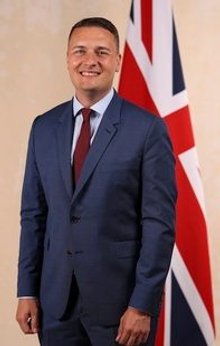
Wes Streeting
Secretary of State for Health and Social Care