WHO Cancer Trends 2026: Bridging the Growing Gap in Care

By 2050, yearly cancer cases could reach almost 35 million, up from about 20.6 million today, according to the World Health Organization (WHO) and the International Agency for Research on Cancer (IARC).
Cancer causes over 26,000 deaths each day and is the world’s second leading cause of death, after heart disease, new figures show.
The WHO Global Status Report on Cancer 2026 finds that survival rates and access to treatment vary across countries and income levels.
Developing countries have higher death rates from cancer, even though they have fewer cases overall than wealthier regions.
The report shows that 87% of women with breast cancer in high-income countries live at least five years after diagnosis, compared to 42% in low-income countries.
Europe carries a disproportionate burden, contributing 21% of global cases and 20% of deaths despite containing only about 9% of the global population.
Almost 40% of cancer cases worldwide are linked to preventable risks. These include infections like human papillomavirus (HPV), hepatitis B and C, and helicobacter pylori, as well as drinking alcohol, smoking, being overweight and not getting enough exercise, the report concludes.
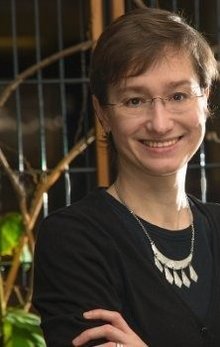
“While we are seeing reductions in some cancer rates in countries that have implemented prevention policies, progress has been too slow,” says Dr Elisabete Weiderpass, Director of WHO’s International Agency for Research on Cancer (IARC).
“The cancer profile is evolving, increasingly driven by rising rates of obesity, physical inactivity, unhealthy diets and air pollution. Cancer prevention must remain a political priority.”
Research and policy gains
Since 2010, global tobacco use has dropped by 27%, leading to fewer lung cancer cases and deaths in many places.
Meanwhile, 82% of countries have national cancer control plans, compared to 50% in 2010.
Research has also accelerated with registered clinical trials increasing at an annual rate of 7.3% between 2005 and 2021.
Early detection programmes in high-income nations successfully catch most breast cancers and 74% of women in these regions have been screened for cervical cancer.
- Lung (1.86 million deaths)
- Colon and rectum (918,000 deaths)
- Liver (732,000 deaths)
- Breast (694,000 deaths)
- Stomach (642,000 deaths)
However, availability of the top 20 priority cancer medicines ranges from 9% to 54% in low- and lower-middle-income countries, compared with 68% to 94% in high-income nations.
“Cancer is a deeply personal disease that touches nearly all of us,” says WHO Director-General Dr Tedros Adhanom Ghebreyesus.
“But whether a person survives cancer should never depend on where they were born or what they earn.
“The inequities documented in this report are not inevitable; they are the consequence of choices, and they can be reversed through stronger and unified action.”
Company portals
Executives
Dr Elisabete Weiderpass
Director of WHO’s International Agency for Research on Cancer (IARC)
Tedros Adhanom Ghebreyesus
Director General