WHO: Europe Must Build Long-Term Heat-Health Resilience

As Europe experiences increasingly frequent and intense heatwaves, the World Health Organisation (WHO) has updated its guidance on Heat-Health Action Plans (HHAPs), calling on governments to embed heat resilience into long-term public health policy.
The second edition of the guidance, replacing recommendations first published in 2008, reflects nearly two decades of scientific evidence and practical experience from countries across the WHO European Region.
It comes as climate change, ageing populations and rapid urbanisation combine to increase the health risks posed by extreme heat.

Updated guidance for a warming world
Rather than treating heatwaves as isolated emergencies, the updated guidance encourages countries to develop coordinated, year-round strategies that anticipate heat risks, protect vulnerable populations and strengthen the resilience of health systems.
The framework outlines eight core areas for action:
- Governance
- Heat warning systems
- Protection for populations at increased risk
- Communication
- Health system resilience
- Reducing heat exposure
- Surveillance
- Monitoring, evaluation and learning
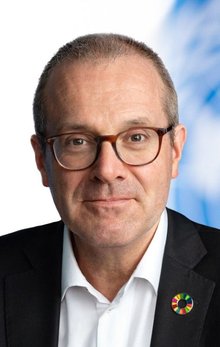
Dr Hans Kluge, WHO Regional Director for Europe, says the updated guidance is "deeply rooted in the real world, reflecting years of implementation and lessons learned by Member States.
"We have moved beyond theoretical frameworks to practical, scalable and adaptable solutions that address the complexities of urban heat islands, the vulnerabilities of ageing populations and the need for intersectoral governance at different levels of government.
"As we look towards a future where record-breaking temperatures are the new norm, our ambition is bold and our goal is clear: zero heat-related deaths."
Europe faces growing heat risks
The updated guidance comes amid another summer of exceptional temperatures across Europe.
During June and July 2026, prolonged heatwaves contributed to an estimated 10,000 excess deaths across the continent, with EuroMOMO reporting that more than 9,000 occurred among people aged 65 and over.
Europe is also warming faster than any other region globally, increasing both the frequency and intensity of extreme heat events.
Around three-quarters of Europe's population already lives in urban areas, where the urban heat island effect can significantly increase temperatures, while the proportion of older people living in cities continues to grow.
Beyond causing heat exhaustion and heatstroke, extreme heat exacerbates cardiovascular, respiratory and kidney disease, increases pressure on ambulance services and hospitals, disrupts essential infrastructure and raises the risk of accidents and infectious disease outbreaks.
Wopke Hoekstra, European Commissioner for Climate, Net Zero and Clean Growth, warns in the updated guidance that heat stress is becoming a critical healthcare challenge.
Learning from successful HHAPs
Alongside its recommendations, WHO highlights examples of successful HHAPs already operating across Europe.
France, Italy and the UK have all developed integrated heat-health warning systems that combine meteorological forecasting with public health planning, allowing authorities to activate coordinated responses before temperatures reach dangerous levels.
In the UK, the Adverse Weather and Health Plan uses a colour-coded alert system developed with the Met Office to coordinate responses across healthcare providers, local authorities and the public.
Amber and red alerts issued during record temperatures of 35.1°C in May and 37.7°C in June 2026 demonstrated the growing importance of coordinated preparedness as rising temperatures place increasing pressure on healthcare services and infrastructure.
Italy has also adopted a targeted approach to protecting vulnerable populations. Its HHAP combines health and population data to identify older people at increased risk from extreme heat, enabling health authorities to coordinate interventions including home visits, telehealth monitoring and social care support during heatwaves.
By integrating public health, healthcare, social care, urban planning and meteorological services, WHO believes that countries can better anticipate heat risks, protect those most vulnerable and build health systems that remain resilient as extreme heat becomes an increasingly permanent feature of Europe's climate.
Company portals


Executives
Hans Kluge
Regional Director for Europe and Central Asia
Wopke Hoekstra
European Commissioner for Climate, Net-Zero and Clean Growth