Top 10: Sustainable Pharmaceutical Companies
The global pharmaceutical sector operates in an environment shaped by climate change, resource scarcity, regulatory limitations and growing healthcare needs.
As a result, many companies are embedding sustainability strategy into their operations.
This includes sustainable drug manufacturing, material circularity, environmental stewardship, waste and water reduction and renewable energy use.
Healthcare Digital takes a look at the top 10 sustainable pharmaceutical companies in the world.
10. Takeda Pharmaceuticals
Founded: 1781
CEO: Christophe Weber
HQ: Tokyo, Japan
Takeda Pharmaceuticals was one of the first major pharmaceutical companies to reach carbon neutrality in its operations.
Its priorities include minimising the environmental impact of products and services based on the principles of a circular economy, as well as decarbonising its operations and value chain.
It is committed to reaching net zero in its entire value chain, including estimated Scope 3 emissions, by 2040, with its reduction targets aligned with SBTi requirements.
9. Grifols
Founded: 1909
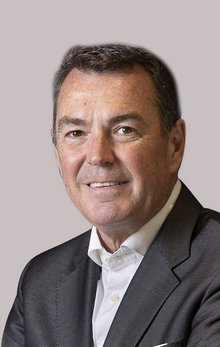
CEO: Nacho Abia
HQ: Barcelona, Spain
Since the company was founded, Grifols has been committed to generating positive social impact through research and innovation, in order to create a better and healthier society.
Nacho Abia, CEO of Grifols, says in the company's 2025 Annual Report: "Grifols has been deeply rooted in science and innovation since its origins, with a longstanding commitment to patients and to sustainability.
"This responsibility has once again been recognised through significant achievements in 2025, including the award of the EcoVadis Platinum medal, which places the company among the top 1% of the world's most sustainable companies.
"We will continue to act with the same purpose that has defined Grifols for more than a century: improving patients' lives worldwide while generating sustainable value for shareholders and for society as a whole."
8. UCB
Founded: 1928
CEO: Jean-Christophe Tellier
HQ: Brussels, Belgium

UCB aims to create sustainable impact for people living with severe diseases and society, advancing science, improving health equity, minimising its environmental footprint and optimising shareholder value.
In particular, it is focusing on ensuring equitable access to medicines, developing social business approaches to provide access to quality care and medicines for those that need them the most.
It has set targets to reach net zero by 2045, reduce its water withdrawal by 15% and reduce its waste production by 18% by 2030.
7. Lupin
Founded: 1968
CEO: Vinita Gupta
HQ: Mumbai, Maharashtra, India
Lupin has set a target for 100% of its global sites to be covered by biodiversity assessment by 2030.
It also plans to reach a 10% reduction in absolute water withdrawal by 2030, from a FY21 baseline.
Its carbon emissions reduction target is approved by the SBTi and it has a 39% share of renewable energy in its operations in FY25.
Lupin's commitment to creating sustainable value is anchored in protecting nature, empowering and inspiring people and improving patient lives through responsible and ethical healthcare solutions.
6. Sanofi
Founded: 1973
CEO: Belén Garijo
HQ: Paris, France
Sanofi's sustainability achievements include reaching more than 790,000 non-communicable disease patients through its Global Health Unit and having a 47% reduction in greenhouse gas emissions in 2024 versus a 2019 baseline.
In its company, 46% of senior leadership roles and 43% of executive roles are held by women.
It is contributing to the transformation of the health care pathway by using data to support decarbonisation, in ways that also better address patients' needs.
5. GSK
Founded: 2000
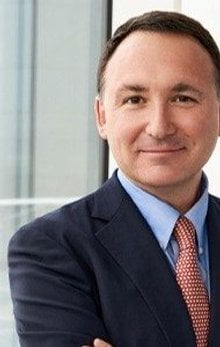
CEO: Luke Miels
HQ: London, UK

GSK's strategy centres around the connection between climate, nature and health, building towards a net zero, nature positive and healthier planet.
It is targeting an 80% absolute reduction in greenhouse gas emissions from a 2020 baseline across all scopes as well as investing in nature-based solutions for the remaining 20% of its footprint by 2030.
The SBTi has approved GSK's net zero target for 2045 in line with its Corporate Net Zero Standard.
It also aims to have zero operational waste by 2030 and achieve a 10% waste reduction from its supply chain by 2030.
4. AstraZeneca
Founded: 1999
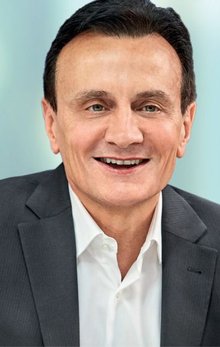
CEO: Pascal Soriot
HQ: Cambridge, UK

AstraZeneca has created its Ambition Zero Carbon strategy, which targets a 98% reduction in operational emissions by 2026 and net zero by 2045.
It surpassed its 2025 sustainability targets, which included achieving a 23% water reduction and a 13% waste reduction.
It aims to collaborate with governments, health systems, patient groups, academia and NGOs to focus efforts where it can have the greatest impact.
AstraZeneca is guided by its values to create long-term value and resilience by operating responsibly and ethically.
3. Novartis
Founded: 1996
CEO: Vas Narasimhan
HQ: Basel, Switzerland
Novartis aims for net zero emissions across its value chain by 2040, with near-term goals to reduce its absolute Scope 1 and 2 GHG emissions by 90% and absolute Scope 3 GHG emissions by 42% by 2030 from a 2022 base year.
To help achieve this, its priority is to avoid emissions through efficiency programmes, followed by the substitution of fossil fuels with renewable energy.
Vas Narasimhan, CEO of Novartis, said on LinkedIn: "Climate change is one of the most pressing issues of our time and it will greatly impact human health.
"To help build a healthier, more sustainable future – for our planet and for humanity – Novartis maintains our deep commitment to taking concrete action to combat climate change."
2. Eisai
Founded: 1941
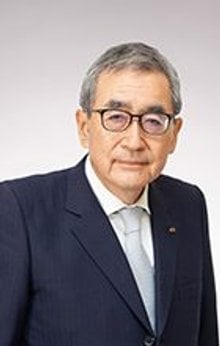
CEO: Haruo Naito
HQ: Tokyo, Japan
Eisai aims to make a positive social impact, focusing on the elimination of neglected tropical diseases. This is a target of the United Nations Sustainable Development Goals (SDGs), with the aim of reducing healthcare disparities.
NTDs are most common in developing countries and other poorer populations, with up to 1.7 billion people worldwide exposed to the risk of infection.
Haruo Naito, CEO of Eisai, says: "Since 2010, Eisai has been working with global partners, including the World Health Organisation (WHO) and the Bill & Melinda Gates Foundation, to eliminate lymphatic filariasis, one of the NTDs, by providing free medicines, conducting disease awareness and promoting the development of new drugs against other NTDs and malaria."
1. Novonesis
Founded: 2000
CEO: Ester Baiget
HQ: Copenhagen, Denmark

Novonesis aims to transform food systems, mitigate climate impact, enable healthier living and protect nature and biodiversity.
Throughout its operations, 99.6% of all of its waste, including biomass and non-biomass, is circularly managed.
Its solutions aim to maintain the health of the planet as well as people, with its biosolutions helping to reduce energy, chemical and water usage across a range of industries.
It achieved all of its 2025 sustainability targets, including reducing its emissions, sourcing renewable energy, restoring water and improving freshwater withdrawal.








Executives
Belén Garijo
CEO

Christophe Weber
President and CEO
Ester Baiget
President and CEO
Haruo Naito
CEO

Jean-Christophe Tellier
CEO
Luke Miels
Chief Commercial Officer
Nacho Abia
CEO
Pascal Soriot
CEO

Vas Narasimhan
CEO

Vinita Gupta
CEO