
AI, Supply Chain & IoT: This Week's Top Healthcare Stories


Healthcare systems worldwide are under increasing pressure as rising patient demand continues to outpace available resources.
Ageing populations, growing rates of chronic disease, workforce shortages and escalating costs are forcing healthcare leaders to rethink how care is delivered.
According to the World Economic Forum (WEF), the focus has shifted from asking whether innovation can solve these challenges to determining how quickly proven solutions can be tested and implemented at scale.
WEF highlights China as a leading example of how large-scale collaboration, digital transformation and artificial intelligence (AI) can help create more efficient, sustainable and patient-centred healthcare systems.
Thorsten Rall, Global Life Sciences Leader at Capgemini explores AI integration, opportunities and fundamentally how AI can transform drug discovery.
"AI can certainly accelerate parts of the discovery process, but I think the more significant impact is on quality," Thorsten says.
"Historically, drug discovery has involved screening enormous numbers of potential drug candidate molecules and accepting a high degree of failure.
"AI gives us the ability to identify more promising targets faster and design candidate molecules far more efficiently."

Johnson & Johnson has secured ninth place in Gartner's 2026 Rankings of the Global Supply Chain Top 25. The healthcare company's performance demonstrates how operational excellence in logistics translates directly into reliable access to medicine for patients.
Global supply networks face unprecedented pressure from geopolitical disruption. Tariff changes, marine chokepoints, and price increases test pharmaceutical companies' ability to maintain consistent medicine delivery. For healthcare providers and patients, these challenges could mean delayed treatments or medication shortages.
According to Gartner, Johnson & Johnson's supply chain demonstrated resilience through this period of disruption. The ranking places the company among the top 10 global performers at a time when maintaining consistent medicine supply has become increasingly difficult.
A campaign promoting prostate cancer screening has won the Pharma Grand Prix at the 73rd Cannes Lions.
Fallon Minneapolis created "Relax Your Tight End" for Novartis, using humour to address medical testing avoidance among men.
The work aired during Super Bowl LX. It featured NFL tight ends, including Rob Gronkowski, Tony Gonzalez and George Kittle, as well as Bruce Arians, a former Super Bowl-winning coach and prostate cancer survivor.
Eric Wareheim directed the film. According to the festival, the Pharma Lions category received 236 entries and awarded seven Lions, with "Relax Your Tight End" securing both the Grand Prix and a Silver in Pharma Film.

Healthcare supply chains face mounting pressures from internal market demands and external disruptions. Medical device manufacturers and pharmaceutical companies need rapid delivery whilst managing regulatory compliance and security threats.
Temperature-controlled logistics present particular challenges for vaccine distribution and pharmaceutical transport. System Loco has developed capabilities to address these requirements through technology that provides visibility and maintains compliance throughout the cold chain.
The company has deployed systems to counter cargo theft, which threatens the healthcare industry with significant financial losses. Healthcare organisations require solutions that protect high-value pharmaceutical shipments whilst maintaining the integrity of temperature-sensitive products throughout transit.






Executives

Gail Horwood
Chief Marketing Officer

Laura Rainier
Senior Director, Analyst
Orlando D. Candelaria Jr
Senior Vice President Business Development
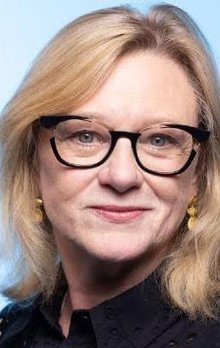
Tracey Brader
Pharma Jury President