
Cradle and Lundbeck: AI’s Role in Neurological Discovery
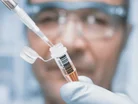
European AI startup Cradle is applying advances in artificial intelligence to one of healthcare’s most complex challenges: understanding and engineering biology.
Its technology helps scientists decode and rewrite biological systems, with applications spanning therapeutics and other biological products.
The company has partnered with Lundbeck, a global biopharmaceutical company focused exclusively on brain health, to use AI-powered protein design to optimise biotherapeutics.
The collaboration highlights how AI is increasingly becoming a critical tool for accelerating drug discovery and developing new treatments for neurological conditions.

Addressing the neurological health challenge
More than three billion people worldwide were living with a neurological condition, according to The Lancet Neurology, underlining the scale of the challenge facing healthcare systems and researchers.
The World Health Organisation (WHO) identifies neurological conditions as the leading cause of ill health and disability worldwide.
Disability, illness and premature death associated with neurological conditions, measured through disability-adjusted life years (DALYs), have increased by 18% since 1990.
The WHO also highlights that more than one in three people globally are affected by neurological conditions.
“More than half the world's population will be affected by a brain disorder at some point in their life,” writes Stef van Grieken, Co-founder and CEO of Cradle, on LinkedIn.
“And for many of those conditions, the treatment options are still thin to non-existent.”
Against this backdrop, technologies that can accelerate research and help identify new therapeutic opportunities could play an important role in addressing unmet healthcare needs.
AI-powered protein design
Lundbeck is deploying Cradle’s AI-powered protein design platform to develop multiple higher-performing candidates aimed at accelerating breakthroughs for neurological conditions.
Biotherapeutics are medical treatments whose active substances are derived from living organisms or biological sources, making the ability to design and optimise proteins particularly relevant to modern drug development.
Cradle combines machine learning with wet lab testing, creating a process that links computational predictions with experimental research.
This approach is designed to accelerate design cycles, allowing researchers to evaluate potential candidates and refine them through fewer iterations.
- It was founded 1915 as a trading company before moving into pharmaceuticals in the 1920s.
- The company focuses on Central nervous system disorders, including depression, schizophrenia, epilepsy, Alzheimer's disease, psychosis and migraine prevention.
- Its portfolio of products reaches approximately 27.8 million people.
- Lundbeck employs more than 5,300 people globally.
- To date, the company has launched more than 30 treatments.
“Lundbeck is running its first end-to-end AI-guided protein engineering loop, starting with two antibody programs,” explains Stef on LinkedIn.
“Their scientists design candidates and test them in the lab, the results feed straight back into Cradle, and each round the predictions get sharper.
“The goal is simple: reach high-quality candidates in fewer wet-lab iterations.”
For pharmaceutical companies, such AI-enabled workflows could help shorten parts of the discovery process while expanding the range of biological candidates that can be investigated.
Building an AI-enabled R&D ecosystem
The partnership forms part of Lundbeck’s broader adoption of AI across its research and development activities, complementing its collaboration with the Danish Centre for AI Innovation.
That partnership provides Lundbeck with access to Denmark’s Gefion AI supercomputer, giving researchers advanced computing capabilities for large-scale scientific modelling and discovery.
Across the organisation, Lundbeck estimates that AI-driven initiatives are already contributing more than 12,000 hours of time savings each week through efficiency gains.
Within drug discovery, AI-enabled structural insights and predictions that previously took months can now be generated in under 24 hours, while the searchable scientific space has expanded by approximately 50,000 times.
Cradle, founded in 2021 in Amsterdam and Zürich, has raised more than US$100m and works with pharmaceutical and agtech companies to combine generative AI and protein language models with laboratory testing.
Partnering for pharma
Bayer
Bayer and Cradle have entered a three-year strategic collaboration to integrate Cradle’s scientific AI software into Bayer’s R&D workflows. The partnership will apply generative AI to protein engineering, supporting lead generation and optimisation across Bayer’s therapeutic antibody pipeline and helping accelerate the development of potential new treatments.
Ginkgo Bioworks
Cradle has partnered with Ginkgo Bioworks, a platform specialising in cell programming and biosecurity, as part of the Ginkgo Technology Network. The collaboration brings Cradle’s AI-powered protein engineering capabilities into a broader ecosystem of technologies designed to support biological innovation, research and development.
Pharmaceutical Leaders
Cradle’s platform is being used by leading pharmaceutical and biotechnology companies including Novo Nordisk, Johnson & Johnson Innovative Medicine, Novonesis and Grifols. Their adoption reflects the growing use of AI-powered protein engineering across life sciences, with organisations applying the technology to accelerate research and explore new biological possibilities.


Executives
Stef van Grieken
Co-Founder & CEO