How is Haleon Empowering Health Literacy Around the World?

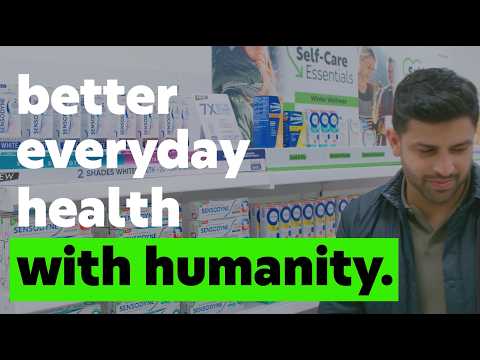
Haleon, a consumer goods company, aims to improve everyday health through its global brands including Sensodyne, Centrum and Voltarol.
It has set health literacy as a global public health priority, launching a global programme to make health advice and products more accessible.
The company has also set a new target to provide opportunities for more than 300 million people to take control of their everyday health by 2030.
Empowering communities with health education
Haleon’s new goal is part of its updated Health Inclusivity and Sustainability Strategy.
This target will be supported by an enhanced focus on championing health literacy as the gateway to better health, alongside increasing access to everyday healthcare products in underserved communities.
It plans to expand upon its efforts to enable people to have access to clear, trusted health information.
It aims to do this by encouraging policymakers to recognise health literacy as a global public health priority while taking action in communities with limited access to healthcare support.
Haleon’s goal is for health literacy to be fully embedded in national health systems and policy frameworks, as well as making healthcare information clearer, more accessible and easier to navigate.
Sarah McDonald, VP Health Inclusivity and Sustainability at Haleon, says: “Health literacy is one of the most powerful tools for helping people feel more confident and in control of their everyday health. Yet nearly one in four adults globally has low health literacy.
“Our new 2030 Health Inclusivity goal puts health literacy and accessibility at the heart of our strategy, as we continue to scale our brand, healthcare professional and policy initiatives to build health literacy, increase access to everyday health products and tackle bias and prejudice.
“Together, we can help millions more people take more control of their everyday health, preventing more serious illness so the people we serve can live in good health for longer.”
Haleon’s health inclusivity goal builds upon its previous progress in tackling global health exclusion.
By the end of 2025, Haleon reached more than 74 million people in opportunities for better everyday health, surpassing its original goal of empowering 50 million people a year.
The company is focused on bringing health inclusivity across the globe, by improving health literacy, increasing access to everyday health products and tackling bias and prejudice in the sector.
Health access in Kenya
Alongside its health and sustainability strategy, Haleon is launching the Better Everyday Health Project, which aims to boost health literacy amongst communities that lack the knowledge and tools to manage their everyday health.
The company is working in partnership with organisations including CARE International, which is a global humanitarian organisation which is leading the fight against poverty and inequality.
The project will help equip community health workers with practical tools and training to build people’s knowledge and confidence around everyday health.
It also plans to increase access to everyday health products in these communities.
The community health workers will be supported in becoming Community Health Entrepreneurs (CHEs), who are trusted community leaders trained to promote self-care behaviours and distribute essential health products.
Rebecca Hastings, Head of Partnerships and Philanthropy at CARE International UK, says: “We are delighted to be working with Haleon to improve community health in Kenya, to achieve our shared goal to make health more inclusive, sustainable and achievable for everyone.”
The project will be launched in Kenya, where CHEs will be recruited and trained by CARE International, with support from local partners.
These CHEs will foster self-care and health-seeking behaviours in underserved communities through tailored health education.
Company portals
Executives
Rebecca Hastings
Head of Partnerships and Philanthropy, UK
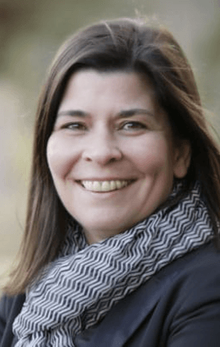
Sarah McDonald
Vice President, Sustainability & Health Inclusivity