
Johnson & Johnson and Firefly: Targeting KRAS-Driven Cancers
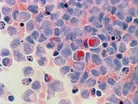
KRAS mutations occur in roughly one in five human cancers, making them among the most common oncogenic drivers.
The mutations multiply rapidly, making them challenging to treat, and are particularly common in pancreatic cancer sufferers, where the vast majority of tumours contain a KRAS mutation.
After completing its acquisition of Firefly Bio, a preclinical biotechnology company developing targeted protein degradation cancer therapies, Johnson & Johnson is hoping Firefly's degrader antibody conjugate (DAC) technology can improve treatment outcomes for one of oncology's most difficult molecular targets.
Using its proprietary FireLink DAC platform, Firefly aims to selectively deliver protein degraders to cancer cells, initially targeting KRAS-driven solid tumours.

A new approach to KRAS treatment
John Reed, Executive Vice President of Pharmaceuticals and R&D at Johnson & Johnson Innovative Medicine, believes the acquisition will deliver more meaningful and lasting treatment options for patients battling KRAS-driven cancer.
On LinkedIn following the acquisition’s confirmation, he writes, “Despite recent advances, improvements in treatments for KRAS-driven cancers are still needed, with the aim of reducing toxicities and prolonging the durability of responses.
By delivering a highly selective KRAS protein degrader directly into tumour cells, the DAC platform is designed to target degrader molecules where they are needed, while preserving healthy tissues – potentially overcoming key limitations associated with existing untargeted approaches.”
Why are KRAS-driven cancers so difficult to treat?
For decades, KRAS was considered "undruggable" because:
- The protein has a very smooth surface with few places for drugs to bind.
- It binds its natural fuel molecule (GTP) extremely tightly.
- It naturally cycles rapidly between active and inactive states, making it difficult for drugs to bind effectively.
Until recently, treatment options have largely been limited to chemotherapy, immunotherapy and therapies targeting pathways downstream of KRAS.
A diverse oncology portfolio
Johnson & Johnson has built one of the industry's most diversified oncology portfolios, spanning conventional biologics, cell therapies and next-generation targeted treatment platforms.
It includes established multiple myeloma treatments Darzalex and Carvykti, alongside newer medicines such as Rybrevant, Talvey and Tecvayli.
Firefly marks the company's latest investment in next-generation oncology technologies.
Prior to the Firefly acquisition, Johnson & Johnson’s most recent oncology deal was the US$3.05bn purchase of clinical-stage biotech firm Halda Therapeutics in December 2025, which expanded its presence in solid tumours through Halda's RIPTAC platform.
Speaking at the time of the Halda Therapeutics acquisition, Jennifer Taubert, Executive Vice President and Worldwide Chairman at Johnson & Johnson Innovative Medicine, says, “This strategic milestone underscores our commitment to redefining cancer treatment with breakthrough science and transformative medicines.
“We are excited to formally welcome the talented Halda team to Johnson & Johnson and look forward to working together to achieve our shared goal of eliminating cancer.”
Acquiring biotech firms before clinical maturity
Firefly Bio is the latest example of a growing trend in pharmaceutical M&A, with major drugmakers increasingly acquiring early-stage platform companies to secure access to emerging modalities such as protein degradation, antibody-drug conjugates and radiopharmaceuticals that could underpin the next generation of precision oncology treatments.
Given the high costs associated with clinical-stage, low-risk oncology assets, such as GSK’s US$10.6bn acquisition of Nuvalent, purchasing a comparatively inexpensive early-stage platform capable of generating multiple future therapies represents an attractive long-term investment for healthcare’s biggest players.
Company portals

Executives

Jennifer Taubert
Executive Vice President, Worldwide Chairman and Innovative Medicine

John Reed
Executive Vice President, Innovative Medicine, Research & Development