Kimberly-Clark Kenvue Deal: A Healthcare Supply Chain Risk?

Kimberly-Clark has made a US$48.7bn cash and stock offer to acquire Kenvue, placing the integration of their respective supply chains under intense scrutiny.
The potential merger of these two consumer goods giants, with brands reaching almost half the global population, depends heavily on their ability to combine two distinct supply chain operations into one coherent and efficient unit.
The agreement, which has received unanimous backing from the boards of both companies, involves Kimberly-Clark paying US$3.50 per share in cash and 0.14625 of its own shares for each Kenvue share.
This values Kenvue's equity at approximately US$40.3bn. Beyond the financial mechanics, the core challenge lies in merging two large-scale consumer operations, each with established procurement networks, logistics infrastructures and complex regulatory obligations.

Kimberly-Clark is targeting US$2.1bn in annual cost savings within three years, primarily through the consolidation of supply chains, alignment of manufacturing processes and streamlining of logistics.
Regulatory and litigation risks in OTC drugs
A primary concern is the increased exposure to litigation and regulatory oversight. TD Cowen analyst Robert Moskow explains: "Kimberly-Clark will take on potential litigation risk for the Tylenol brand... this is hard to quantify."
This legal exposure has direct implications for supply chain strategy, demanding robust traceability and quality control measures.
Products like Tylenol are classified as over-the-counter (OTC) drugs and are subject to stringent regulations that require meticulous tracking from raw material sourcing to the final point-of-sale.
The regulatory load intensifies as the merged entity expands into categories adjacent to pharmaceuticals. The merged entity will be required to align its compliance frameworks across the entire supply chain.
This includes everything from ingredient verification and packaging to labelling and storage conditions. Any failure in compliance could lead to legal action and cause significant damage to the merged entity's reputation, a critical asset for brands built on consumer trust.
Integrating logistics and supply chain systems
Kenvue experienced a sales drop of 11% for Tylenol in late 2023 after US President Donald Trump suggested a link between its use during pregnancy and autism.
Although US Health and Human Services Secretary Robert F. Kennedy Jr. stated no conclusive evidence exists, calling the data "very suggestive". The impact on its stock planning was notable.
This situation has been described by Jay Woods, Chief Market Strategist at Freedom Capital Markets, as "buying damaged goods".
Ongoing litigation related to both Tylenol and talc-based baby powder means that supply chain leaders must plan for potential product withdrawals, reformulations or delistings.
From a logistics perspective, integration presents leverage opportunities but also introduces friction. The process of harmonising SKU systems, warehouse footprints and transport flows will be a demanding task for both operations teams, especially in regions where their businesses overlap.
R&D collaboration and future growth
Despite the complexities, the deal aims to foster innovation through joint investment in research and development, combining Kimberly-Clark's consumer insight with Kenvue's science-backed product development.
Mike Hsu, Chairman and CEO of Kimberly-Clark, says: "We are excited to bring together two iconic companies to create a global health and wellness leader. With a shared commitment to developing science and technology to provide extraordinary care, we will serve billions of consumers across every stage of life."
This collaboration will test the supply chain's agility in adapting to new product formulations, packaging designs and trial production runs.
Sourcing new active ingredients, updating regulatory documents and modifying manufacturing protocols are all part of the demands that R&D-led growth places on operational flexibility.
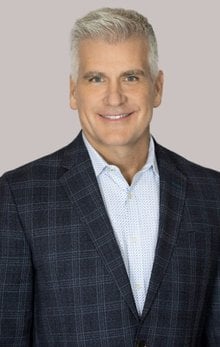
Kenvue’s newly confirmed CEO, Kirk Perry, adds: "Together, our combined strengths, expanded capabilities and resources, and broader reach will empower us to innovate even faster and strengthen our category leadership.”
The combined group is projected to generate US$32bn in annual revenue, a figure contingent on a smooth integration process.
The deal's financing relies on a combination of cash, debt and proceeds from asset sales.
Larry Merlo, Chair of the Board at Kenvue, says: "Bringing together Kenvue and Kimberly-Clark creates a uniquely positioned global leader in consumer health with a broader range of new growth opportunities ahead."
For the supply chain teams tasked with this integration, the path may be complex, but the potential result is the creation of a global powerhouse in health and wellness.
Company portals

Executives
Kirk Perry
Chief Executive Officer and Director at Kenvue
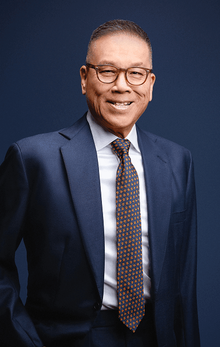
Mike Hsu
CEO