McKinsey, GSK & Novo Nordisk: This Week in Healthcare


McKinsey released its "What to expect in US healthcare in 2026 and beyond" report, delivering a stark assessment of the sector's trajectory.
The findings suggest that technology has evolved beyond a supporting function to become the primary driver of growth across the industry. The consultancy argues that health services and technology is poised to maintain its position as the fastest expanding segment, fundamentally reshaping how care is delivered and managed.
The report highlights how software platforms are increasingly embedded within the healthcare ecosystem, offering providers and payers new pathways to operational efficiency amid mounting complexity.
Technological innovation, particularly generative AI and machine learning, could create opportunities for stakeholders across multiple segments through workflow automation, enhanced data connectivity and interoperability, and the generation of insights from previously siloed information.
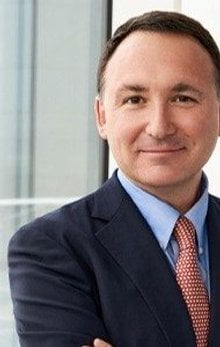
GSK has unveiled its fourth-quarter and full-year 2025 results, announced on 4 February, marking the first set of numbers under new CEO Luke Miels. Using these results as a launchpad, Luke is setting the tone for his leadership at the helm of the biopharma giant.
While GSK delivered a strong financial performance in 2025, Luke framed the results as a foundation for what lies ahead.
“GSK delivered another strong performance in 2025, driven mainly by Speciality Medicines, with double-digit sales growth in Respiratory, Immunology & Inflammation, Oncology and HIV,” he said. “Good R&D progress also continued, with five major product approvals achieved and several acquisitions and new partnerships completed to strengthen the pipeline further in oncology and RI&I.”

In a move that could sharpen its strategic focus on nutrition, health and beauty, dsm-firmenich has revealed plans to sell its Animal Nutrition & Health (ANH) business to CVC, a prominent global private markets manager, for an enterprise value of approximately €2.2bn (US$2.6bn).
The transaction could enable dsm-firmenich to concentrate its resources on more specialised sectors, whilst maintaining a 20% equity position in the divested ANH Companies.
According to the firm, it plans to adopt a "stable to preferably rising" dividend policy, which could signal its growing commitment to delivering consistent and sustainable returns to shareholders through long-term value creation.
The healthcare sector is responsible for around 5% of global greenhouse gas emissions, intensifying pressure on pharmaceutical leaders to grow responsibly while ensuring access to care.
Against this backdrop, Novo Nordisk’s 2025 Sustainability Statement within its Annual Report places its “triple bottom line” – financial, social and environmental – at the centre of long‑term value creation, not as an auxiliary initiative.
“Sustainability is something Novo Nordisk remains committed to each year,” says Dorethe Nielsen, VP Environmental Responsibility at Novo Nordisk.
“Despite an increasing environmental footprint in 2025 as we aim to serve more patients, we made important progress on our environmental ambitions and targets.
A thought leadership piece by Darren Anstee, CTO for Security at NETSCOUT.
Cyberattacks are a pervasive threat across every industry, but in healthcare, the consequences are measured in far more than just financial loss or reputational damage.
When a healthcare provider’s digital infrastructure is compromised, the disruption to patient care is immediate, tangible and can impact patient treatments and outcomes.
This unfortunate reality was starkly demonstrated by recent attacks on the NHS, whereby threat actors accessed sensitive patient data and forced major London hospitals to cancel critical operations and appointments, leaving thousands without the care they needed.








Executives
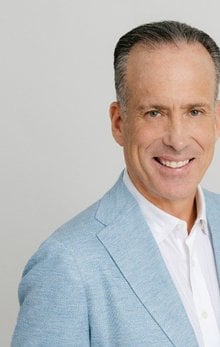
Brian Litten
Co-Founder & Managing Partner
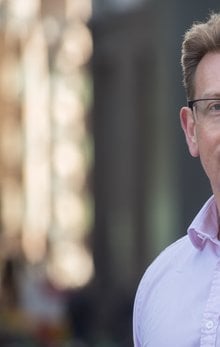
Darren Anstee
CTO for Security
Dimitri de Vreeze
CEO
Dorethe Nielsen
Vice President - Corporate Environmental Strategy
Luke Miels
Chief Commercial Officer
Michael Dreher
Advisory Board Member