
Stanford: A Shingles Vaccine Could Cut Dementia Risk by 20%
A shingles vaccine could reduce the risk of dementia by 20%, according to new research from Stanford Medicine.
The study, first published in April 2025 in Nature, analysed health records from more than 280,000 older adults in Wales and found that those who received the live-attenuated shingles vaccine were 20% less likely to develop dementia over the following seven years than those who did not receive it.
A follow-up study published in December 2025 in Cell suggests the vaccine may also slow disease progression in people already living with dementia, with vaccinated patients showing a significantly lower risk of dying from the disease.
The study shows some evidence of a link between viral infections and cognitive decline.
How the experiment happened
The research capitalised on an unusual vaccination policy in Wales that created near-perfect conditions for testing the vaccine's effects without the biases that plague observational studies.
Beginning in September 2013, Wales made the shingles vaccine available only to people who were exactly 79 years old on that date, with eligibility lasting for one year.
Those who had already turned 80 were permanently excluded from the programme, creating a sharp cut-off based entirely on date of birth rather than health status or personal choice.
"All these associational studies suffer from the basic problem that people who go get vaccinated have different health behaviours than those who don't," says Pascal Geldsetzer, Assistant Professor of Medicine at Stanford University and senior author of both studies.
The researchers compared health outcomes of people born just one week apart on either side of the eligibility threshold.
About half of those eligible received the vaccine, compared with almost none of those who were ineligible.
By 2020, when participants were aged 86 and 87, one in eight had been diagnosed with dementia.
The study says that those who received the vaccine were 20% less likely to have developed the condition.
"It was a really striking finding," says Pascal. "This huge protective signal was there, any which way you looked at the data."
The researchers found the two groups indistinguishable in education levels, uptake of other vaccinations and rates of diabetes, heart disease and cancer.
Potential for existing dementia patients
The second study examined whether the vaccine's benefits extended beyond prevention to people already showing signs of cognitive problems.
Using the same natural experiment structure, the researchers found that vaccinated individuals were less likely to be diagnosed with mild cognitive impairment during a nine-year follow-up.
Among the 7,049 Welsh seniors who had dementia at the start of the vaccination programme, nearly half died from the disease during follow-up.
Only about 30% of those who received the vaccine died from dementia.
"The most exciting part is that this really suggests the shingles vaccine doesn't have only preventive, delaying benefits for dementia, but also therapeutic potential for those who already have dementia," Pascal explains.
The findings have been replicated in health records from England, Australia, New Zealand and Canada.
"We just keep seeing this strong protective signal for dementia in dataset after dataset," he adds.
The most exciting part is that this really suggests the shingles vaccine doesn't have only preventive, delaying benefits for dementia, but also therapeutic potential for those who already have dementia.
How can a shingles vaccine reduce dementia risk?
Shingles is caused by the varicella-zoster virus, which remains dormant in nerve cells after causing chickenpox in childhood.
The virus can reactivate in older adults or those with weakened immune systems, causing the painful rash characteristic of shingles.
Pascal suggested two possible mechanisms for the vaccine's protective effect.
The dormant virus causes ongoing inflammation in the nervous system even whilst hibernating, and reducing these reactivations through vaccination may benefit the dementia disease process.
Alternatively, the vaccine may provide a broad boost to the immune system overall, strengthening its ability to fight off various infections that have been linked to increased dementia risk.
The study also found that protection against dementia was far more pronounced in women than in men, possibly due to sex differences in immune response.
Women typically have higher antibody responses to vaccination and are more likely to develop shingles than men.

Calls for clinical trials
The research focused on the live-attenuated shingles vaccine Zostavax, which is no longer manufactured.
A newer vaccine called Shingrix, which contains only certain proteins from the virus, may have similar or even greater impact on dementia.
Pascal is now seeking funding for a large randomised controlled trial, which would provide definitive proof of cause and effect.
He noted that the Wales data showed dementia rates beginning to diverge between vaccinated and unvaccinated groups within 18 months, suggesting a trial might not take long to yield results.
The live-attenuated vaccine is no longer produced by pharmaceutical companies, making philanthropic funding necessary for such a trial.
Dementia affects more than 55 million people worldwide, with an estimated 10 million new cases each year according to the World Health Organization.
Decades of research focusing on protein plaques and tangles in the brains of Alzheimer's patients have yet to produce effective prevention or treatment options, prompting some researchers to explore alternative avenues including viral infections.
The studies received funding from The Phil & Penny Knight Initiative for Brain Resilience, the National Institute on Aging, the National Institute of Allergy and Infectious Diseases and Chan Zuckerberg Biohub.
Company portals
Executives
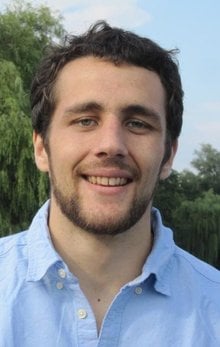
Pascal Geldsetzer
Assistant Professor of Medicine at Stanford University