
Tesco’s 2026 Report: Pharmacy, Diagnoses & Early Detection
Tesco has published its 2026 Sustainability Report detailing how the retailer is building a healthier food system while maintaining affordable pricing for customers.
The document provides data on carbon reduction, energy efficiency, food waste management and dietary improvements across operations and supply chains.
The report examines how partnerships with suppliers, farmers, charities and industry groups help Tesco work towards net zero targets and other sustainability goals.
These collaborative efforts span multiple areas of the business, from farm-level interventions to in-store health services, demonstrating how large retailers can influence public health outcomes through their operational decisions.

Nutrition and healthier diets
According to Tesco, 65% of food sales in the UK and Republic of Ireland are now classified as healthy. This classification reflects efforts to promote more nutritious eating habits and support healthier lifestyles among customers.
The retailer works with organisations including the British Nutrition Foundation to improve access to fruit and vegetables. The Free Fruit and Veg for Schools programme has provided more than 15.7 million portions of produce to children across the UK.
Tesco aims to help one million school children access fruit and vegetables for free through school and community programmes by July 2029. The company also distributed millions of free apples through its Free Fruit for Kids campaign.
The retailer's nutrition programmes also focus on making healthier options more affordable and accessible. Price promotions on fresh produce and clearer nutritional labelling could help customers make informed choices that support better health outcomes.
Pharmacy services and disease prevention
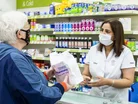
Tesco operates 365 in-store pharmacies, making it the UK's third largest pharmacy provider. According to the report, these pharmacies serve more than 500,000 customers every week.
Customers can access flu vaccinations, blood pressure checks and a Weight Loss Management service through these pharmacy locations. The retailer also offers trusted advice on conditions including cancer, heart disease and diabetes through its Let's Talk programme, which was developed with Health Charity Partners.
Tesco works with charities including the British Heart Foundation, Diabetes UK and Cancer Research UK to run national awareness campaigns. These campaigns focus on prevention, early diagnosis and healthier lifestyles.
“Sustainability, and seeking the protection of workers’ rights across the food value chain, is central to everything we do,” says Ken Murphy, CEO of Tesco.
“We are as committed as ever to playing our part in reducing our impact on the planet
“Many of the challenges where we need to make further progress are areas that no company can tackle alone.
“It will take shared efforts across supply chains, government and the entire food industry to overcome the most complex issues facing our food system.”
In 2025, Tesco launched its first joint cancer early detection campaign with Cancer Research UK. Pharmacists received special training to guide customers towards appropriate cancer support and treatment services.
The pharmacy network provides convenient access to healthcare services in locations where customers already shop for food. This integration could remove barriers to accessing preventive health services, particularly for people with limited mobility or those living in areas with fewer medical facilities.
Public health campaigns
The retailer continued its annual diabetes and heart health campaigns during the reporting period. These initiatives encourage customers to complete type 2 diabetes risk assessments and free blood pressure checks through in-store pharmacies.
Early detection of type 2 diabetes and high blood pressure could reduce the risk of cardiovascular disease and other complications. According to health organisations, regular screening and early intervention could mean better long-term health outcomes for at-risk populations.
Tesco introduced menopause-friendly bays in more than 90 stores following a successful trial. This partnership with GenM provides easier access to products designed to ease menopause symptoms.
The company also partnered with accessibility app Be My Eyes to help blind and partially sighted customers receive real-time support from store colleagues while shopping. This initiative could improve access to healthcare services and healthier food choices for people with visual impairments.
Health screening programmes conducted in retail settings could reach populations who might not otherwise engage with traditional healthcare services. The convenience of in-store health checks could encourage more people to monitor key health indicators regularly.
Food waste and food security
Tesco has committed to cut food waste in its own operations by 50% before 2030. The company acknowledged it did not meet its original 2025 target.
“As Chair of the Sustainability Committee, I have seen first-hand the determination across Tesco to embed sustainability into every part of the business,” says Stewart Gilliland, Chair of the Sustainability Committee and Non-executive Director at Tesco, in the company’s 2026 Sustainability Report.
“The store demonstrates how practical solutions can help us decarbonise retail and inspire change across the industry.
“Alongside this, we have supported progress on healthier baskets, nature‑based solutions and waste reduction, while continuing to champion human rights and community programmes such as Fruit & Veg for Schools.”
During the reporting year, Tesco redistributed 44,554 tonnes of surplus food to people and animals in the UK. The retailer also converted more than 5,000 tonnes of food surplus into animal feed.
According to the report, redistributed food reaches people who may otherwise experience food insecurity, which could mean improved nutritional intake for these groups.
The connection between food waste and public health extends beyond immediate hunger relief. Sustainable food systems could provide more stable access to nutritious food, which could show benefits for population health over time.
Sustainable food systems
Tesco's report notes that food production generates roughly one-third of global greenhouse gas emissions. Climate-related issues including droughts, flooding and biodiversity loss are placing pressure on food supply chains.
According to Tesco, almost 99% of its total carbon footprint comes from its wider value chain, particularly agriculture and the use of products by customers. The company works directly with farmers through Sustainable Farming Groups to introduce lower-carbon farming techniques and nature-based solutions.
“As food systems come under increasing pressure, sustainability is key to our long-term resilience,” says Christine Heffernan, Group Chief Communications and Sustainability Officer.
“Our actions today help meet customer needs and strengthen supply chain stability for the future.”
Climate resilience in food production systems could protect against future nutrition security challenges. Diversified farming practices and improved soil management could help maintain consistent food supplies during environmental disruptions.
Healthcare service expansion
Tesco believes that combining healthcare services, health education and community support can help improve long-term public wellbeing. The approach aims to make healthier choices more accessible and affordable for customers across the country.
The pharmacy network provides a point of contact for preventive healthcare services in communities where medical facilities may be limited. This could mean earlier detection of health conditions and improved management of chronic diseases.
Weight loss management services offered through Tesco pharmacies could address obesity-related health conditions. According to health data, obesity increases the risk of type 2 diabetes, cardiovascular disease and certain cancers.
Blood pressure checks conducted in pharmacies could identify undiagnosed hypertension. According to medical organisations, undiagnosed high blood pressure is a major risk factor for stroke and heart disease.
The integration of pharmacy services with food retail creates opportunities for joined-up health interventions. Customers receiving dietary advice through pharmacy consultations can immediately access healthier food options in the same location.
Packaging and public health
According to the report, 99% of Tesco's own-brand packaging is now recyclable in the UK. This includes 87% recyclable through household kerbside collections.
Packaging sustainability could affect environmental health outcomes. Reduced plastic waste and improved recycling rates could mean decreased exposure to environmental pollutants, though the direct health impacts require further study.
The retailer improved packaging sustainability alongside efforts to promote healthier food choices. This dual approach could show that environmental sustainability and public health objectives can be addressed simultaneously.
Supply chain and food safety
Tesco's work with suppliers includes data programmes to improve carbon reporting accuracy and encourage science-based climate targets throughout the supply chain. Supply chain resilience could affect food safety and nutrition security.
Climate change could disrupt food production and distribution systems. According to the report, sustainable supply chain practices could mean more stable access to diverse, nutritious foods during environmental disruptions.
The retailer invests in lower-emission logistics, including electric vans, Bio-CNG trucks and rail freight expansion. Transport efficiency projects are designed to reduce road miles and fuel use.
Efficient transport systems could affect food freshness and nutritional quality. Reduced transit times could mean higher nutrient retention in fresh produce, though specific data on these outcomes was not provided in the report.
Temperature-controlled supply chains and efficient logistics could help preserve the nutritional content of perishable foods. Maintaining optimal storage conditions throughout the distribution process could mean that fresh produce retains more vitamins and minerals when it reaches customers.
Company portals
Executives

Christine Heffernan
Group Chief Communications and Sustainability Officer

Ken Murphy
CEO

Stewart Gilliland
Chair of the Sustainability Committee and Non-executive Director