Top 10: Pharmaceutical Companies in the US
The US is home to some of the world's largest pharmaceutical companies, driving advances in drug discovery, biotechnology and patient care. From breakthrough treatments for cancer and rare diseases to innovations in diabetes and obesity management, these businesses play a significant role in shaping global healthcare.
With the US pharmaceutical market projected to grow substantially over the coming years, competition is intensifying as companies invest in research, expand their portfolios and bring new medicines to patients.
Healthcare Digital ranks the top 10 US-headquartered pharmaceutical companies by market capitalisation, highlighting their scale, clinical leadership and latest developments.
10. Regeneron Pharmaceuticals
CEO: Leonard Schleifer
HQ: Tarrytown, New York
Market cap: US$81.5bn

Regeneron Pharmaceuticals is a biotechnology company focused on developing medicines for serious diseases, with expertise spanning eye health, immunology, oncology, cardiovascular disease and rare conditions.
The company reported full-year revenue of US$14.3bn in 2025, up 1% year on year. Its commercial portfolio includes Eylea and Eylea HD for retinal diseases, Libtayo for cancer and Dupixent, which it shares commercially with Sanofi.
Dupixent continued to be a major growth driver, with global sales recorded by Sanofi increasing 26% to US$17.8bn in 2025. Regeneron is also working to extend its medicines into additional indications, including new applications for Eylea HD and Libtayo.
Looking ahead, the company is investing in its clinical pipeline and manufacturing capabilities as it seeks to build on its established medicines and advance potential new treatments.
9. Bristol Myers Squibb
CEO: Chris Boerner
HQ: Princeton, New Jersey
Market cap: US$125.9bn
Bristol Myers Squibb (BMS) is a biopharmaceutical company developing medicines for serious diseases, particularly cancer, cardiovascular conditions, immunological disorders and neurological diseases.
The company generated US$48.2bn in revenue in 2025 and invested US$10bn in research and development. Its leading medicines include Eliquis, used to reduce the risk of blood clots and stroke, and the cancer immunotherapy Opdivo.
BMS is working to strengthen its portfolio through new medicines, expanded indications and cell therapies. Its oncology portfolio includes treatments such as Opdivo, Yervoy and Breyanzi, while its cardiovascular business includes Eliquis and Camzyos.
The company's research strategy focuses on advancing innovative medicines while managing the impact of established products facing competition from generics. Investment in its pipeline is central to its efforts to sustain growth and bring new treatment options to patients.
8. Vertex Pharmaceuticals
CEO: Reshma Kewalramani
HQ: Boston, Massachusetts
Market cap: US$132.1bn

Vertex Pharmaceuticals develops medicines for serious diseases, with a longstanding focus on cystic fibrosis and a growing portfolio spanning pain, kidney disease and other conditions.
The company reported full-year revenue of US$12bn in 2025, representing 9% growth compared with 2024. Its cystic fibrosis medicines remain central to its business, while its strategy is increasingly focused on expanding beyond this established franchise.
Vertex is advancing programmes in areas including acute pain, sickle cell disease and transfusion-dependent beta thalassaemia. Its gene-editing therapy Casgevy, developed with CRISPR Therapeutics, has expanded its presence in treatments for serious blood disorders.
In 2026, Vertex expects revenue of US$12.95bn-US$$13.1bn, reflecting continued growth from its existing portfolio and contributions from products beyond cystic fibrosis. The company is also progressing its mid- and late-stage clinical pipeline as it seeks to diversify its business over the longer term.
7. Pfizer
CEO: Albert Bourla
HQ: New York, New York
Market cap: US$169.9bn
Pfizer is one of the world's largest pharmaceutical companies, developing prescription medicines and vaccines across oncology, immunology, internal medicine and infectious diseases.
The company reported revenue of US$62.6bn in 2025, down 2% year on year. However, excluding its COVID-19 medicines Paxlovid and Comirnaty, revenue grew 6% operationally, reflecting the performance of its broader portfolio.
Pfizer is focusing on expanding its oncology business and advancing potential new treatments as it prepares for the loss of exclusivity of certain established medicines. Its cancer portfolio includes treatments for breast, prostate, lung and blood cancers, while its research pipeline spans multiple therapeutic areas.
The company plans to initiate approximately 20 pivotal clinical studies in 2026, including trials for obesity treatments acquired through its acquisition of Metsera and a potential new cancer therapy licensed from 3SBio.
These programmes form part of Pfizer's strategy to strengthen its pipeline and support growth towards the end of the decade.
6. Gilead Sciences
CEO: Daniel O’Day
HQ: Foster City, California
Market cap: US$197.3bn
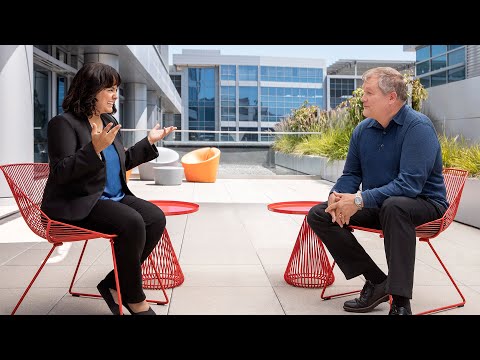
Gilead Sciences develops medicines for serious and life-threatening diseases, with a particular focus on HIV, viral hepatitis, oncology and other areas of unmet medical need.
The company reported full-year revenue of US$29.4bn in 2025, an increase of 2% compared with the previous year. Product sales excluding Veklury, its COVID-19 treatment, rose 4% to US$28bn, driven primarily by demand for its HIV and liver disease medicines.
Biktarvy, its HIV treatment, remained a major contributor to performance, generating US$14.3bn in sales in 2025, up 7% year on year.
Gilead is also expanding its HIV prevention portfolio. In 2025, it launched Yeztugo, a long-acting HIV prevention treatment administered twice yearly in the US, marking a significant addition to its prevention offering.
Looking ahead, the company is working to advance further HIV and cancer therapies while expanding access to medicines. Its research and development strategy centres on addressing unmet needs in infectious diseases and oncology.
5. Amgen
CEO: Robert A. Bradway
HQ: Thousand Oaks, California
Market cap: US$240.4bn
Amgen is a biotechnology company developing medicines for serious illnesses, including cancer, cardiovascular disease, inflammatory conditions and rare diseases. It uses biotechnology and human genetics to identify potential treatments and improve existing therapies.
The company generated US$36.8bn in revenue in 2025, representing 10% growth compared with 2024. Product sales increased 10%, supported by volume growth across its portfolio.
Amgen's medicines address a broad range of conditions, including osteoporosis, cancer, migraine and inflammatory diseases. Its portfolio includes Repatha for cardiovascular risk reduction, Prolia and Evenity for bone health, and Blincyto for certain blood cancers.
The company is also expanding its manufacturing footprint and investing in research to support future product launches. Its 2026 financial outlook anticipates revenue of US$37bn-US$38.4bn.
Research and development remains central to Amgen's strategy as it seeks to advance new medicines while growing its established portfolio.
4. Merck & Co
CEO: Robert Davis
HQ: Rahway, New Jersey
Market cap: US$346.9bn
Merck & Co develops prescription medicines, vaccines and animal health products, with a major focus on oncology, infectious diseases and cardiometabolic conditions. In August 2026, it made headlines alongside Moderna following positive results for its personalised mRNA cancer vaccine.
Merck & Co reported worldwide sales of US$65bn in 2025, up 1% year on year. Its cancer immunotherapy Keytruda remained its largest product, generating US$31.7bn in sales, an increase of 7%.
The company is working to broaden its portfolio beyond established medicines, with growing contributions from newer products including Winrevair for pulmonary arterial hypertension and Capvaxive, a pneumococcal vaccine for adults.
Merck & Co also advanced its development pipeline during 2025, reporting positive late-stage results from 18 Phase III trials. Acquisitions of Verona Pharma and Cidara Therapeutics formed part of its efforts to strengthen its respiratory and infectious disease portfolios.
As the company prepares for future competition affecting established medicines, pipeline development and portfolio diversification are becoming increasingly important to its long-term strategy.
3. AbbVie
CEO: Robert A. Michael
HQ: North Chicago, Illinois
Market cap: US$506.7bn

AbbVie develops medicines for serious health conditions, with a portfolio spanning immunology, oncology, neuroscience, eye care and aesthetics.
The company generated US$61.2bn in revenue in 2025, an increase of 8.5% year on year. Its immunology portfolio remained a key growth driver, particularly Skyrizi and Rinvoq, which are used to treat a range of inflammatory and autoimmune conditions.
Skyrizi generated US$17.6bn in revenue in 2025, up approximately 50%, while Rinvoq revenue increased 39% to US$8.3bn. These medicines are helping AbbVie offset declining sales of Humira following the arrival of biosimilar competition.
Beyond immunology, AbbVie is investing in oncology and neuroscience, including treatments for cancer and neurological conditions. Its pipeline includes programmes at different stages of development, reflecting an effort to expand its portfolio and reduce reliance on individual blockbuster medicines.
Research and development, alongside acquisitions and partnerships, remains central to AbbVie's strategy as it seeks to sustain growth and develop treatments for conditions where significant unmet medical needs remain.
2. Johnson & Johnson
CEO: Joaquin Duato
HQ: New Brunswick, New Jersey
Market cap:US$641.1bn

Johnson & Johnson (J&J) is a healthcare company operating across two core businesses: innovative medicines and medtech. Its pharmaceutical portfolio spans oncology, immunology, neuroscience and cardiovascular disease, while its medical technology business develops products for surgery, vision care and other clinical applications.
The company reported full-year sales of US$94.2bn in 2025 and has set its sights on reaching US$100bn in 2026. Growth was supported by its medicines and medical technology businesses, with oncology among its key areas of focus.
J&J is investing in treatments for complex diseases, including cancer, immune-mediated conditions and neurological disorders. Its pharmaceutical portfolio includes Darzalex for multiple myeloma, Tremfya for inflammatory diseases and a range of treatments for prostate cancer.
Alongside its research and development activities, J&J is expanding its medical technology capabilities through innovation in surgery, vision care and cardiovascular interventions.
The company continues to invest in new treatments and technologies, with a focus on addressing serious health conditions and improving patient outcomes. Its strategy centres on advancing its medicines and medtech businesses as it seeks to deliver sustained growth.
1. Eli Lilly & Company
CEO: David A. Ricks
HQ: Indianapolis, Indiana
Market cap: US$1.14tn

Eli Lilly is leading the way in developing medicines for conditions including diabetes, obesity, cancer, Alzheimer's disease and immune-mediated disorders.
The company reported revenue of US$65.2bn in 2025, an increase of 45% compared with the previous year. Growth was driven largely by demand for its medicines for diabetes and obesity, particularly Mounjaro and Zepbound, which contain the active ingredient tirzepatide.
These treatments have helped position Lilly at the forefront of the expanding market for metabolic medicines. The company is also working to broaden its portfolio through clinical development programmes and new product launches across other therapeutic areas.
In 2025, Eli Lilly launched Inluriyo for certain patients with breast cancer and expanded the use of Omvoh for Crohn's disease. Its Alzheimer's disease treatment Kisunla also continued its international rollout.
Eli Lilly is developing orforglipron, an oral GLP-1 medicine, as a potential alternative to injectable treatments for obesity and related conditions. Marketed as Foundayo, the pill has received regulatory approval in the UAE, UK and US.
With continued investment in research, manufacturing and clinical development, Eli Lilly is seeking to build on its strong growth while expanding access to treatments for patients worldwide.
Company portals










Executives
Albert Bourla
Chief Executive Officer
Chris Boerner
Board Chair and Chief Executive Officer
Daniel O'Day
Board Member

David Ricks
Chair and CEO
Joaquin Duato
Chairman of the Board and Chief Executive Officer

Leonard Schleifer
CEO

Reshma Kewalramani, MD FASN
CEO and President
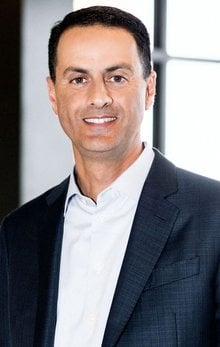
Robert A. Michael
CEO
Robert Bradway
Chairman and Chief Executive Officer
Robert Davis
Chairman and Chief Executive Officer