
Microsoft: AI Reveals Biosecurity Risk With Synthetic Toxins
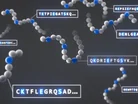
Researchers at Microsoft have found that artificial intelligence tools could be used to design synthetic toxins that are not detected by current biosecurity screening protocols.
This discovery highlights a potential weakness in the global infrastructure designed to prevent biological threats, which could have major implications for the healthcare sector.
Microsoft's study, published in the journal Science, demonstrated how openly available AI protein design (AIPD) tools can generate thousands of altered versions of a toxin.
These redesigned toxins have their amino acid sequences changed, but their fundamental structure and potential function could remain intact, allowing them to go unnoticed by security measures.
The findings exposed what Microsoft referred to as a "significant blind spot" in the current biosecurity framework.

AI exploits screening vulnerabilities
The project was initiated by a single question from Eric Horvitz, Microsoft's Chief Scientific Officer: "Could today's late-breaking AI protein design tools be used to redesign toxic proteins to preserve their structure – and potentially their function – while evading detection by current screening tools?"
"The answer to that question was yes, they could."
The research showed that existing screening software was not capable of identifying these "paraphrased" protein sequences.
Led by Eric and Senior Applied Bioscientist Bruce Wittmann, the research team adopted methods from cybersecurity emergency response to discretely test the system's resilience.
Eric acknowledges that while AI-powered protein design is a rapidly advancing field with huge potential, it also brings concerns about misuse.
"Following the launch of the Paraphrase Project, we believe that we've come quite far in characterising and addressing the initial concerns in a relatively short period of time," he says.
However, Eric also warned of persistent challenges.
"There are multiple ways in which AI could be misused to engineer biology – including areas beyond proteins," he explains.
"We expect these challenges to persist so there will be a continuing need to identify and address emerging vulnerabilities."
The dual-use nature of AI in biology
The research brings attention to the dual-use nature of AIPD tools.
These technologies make biological research more accessible, which can accelerate positive developments but also lowers the barrier for those with malicious intent.
The legitimate applications of AIPD are extensive, with current uses including the development of proteins for laundry detergents and the creation of snake venom antidotes.
For the healthcare industry, future applications could lead to major advances in cancer therapies for immune diseases and new methods for the early detection of health threats.
Eric stressed the importance of public awareness regarding both the benefits and the risks associated with these powerful tools.
"I think it's important that everybody understands the power and promise of these AI tools, considering both their incredible potential to enable game-changing breakthroughs in biology and medicine and our collective responsibility to ensure that they benefit society rather than cause harm," he says.

Forging a cross-sector defence
Following the discovery, Microsoft and several DNA synthesis companies embarked on a 10-month collaborative project to address the security gap.
This initiative led to the development of a security patch that has since been deployed globally.
The rapid formation of an effective cross-sector team was an unexpected but welcome outcome of the project.
"It was surprising to see how effectively a cross-sector team could come together so quickly and collaborate so very closely at speed, forming a cohesive group that met regularly for months," Eric reflects.
Microsoft's work on this project could provide a model for how to approach biosecurity in the age of AI.
Microsoft's study emphasises the need for simultaneous investment in both innovation and safeguards, viewing them not as competing interests but as complementary priorities for ensuring public safety and advancing medical science.
Company portals

Executives

Eric Horvitz
Chief Scientific Officer