Novo, WHO, Novartis & PwC: This Week in Healthcare


Novo Nordisk has announced it will remove 'Nordisk' from its company name. The change ends a naming convention that has existed for almost 40 years, following the 1989 merger of Nordisk Insulinlaboratorium and Novo Terapeutisk Laboratorium.
The company will now operate as Novo. The rebrand includes updates to visual identity elements such as logo design, colour palette and typography.
According to Novo, the changes respond to shifts in how people engage with healthcare. The company stated in a press release that technology developments mean consumers want to interact with their health in "new and different ways".
The firm says healthcare must become more responsive and easier to integrate into daily routines. This reasoning forms the basis for the wider brand refresh.
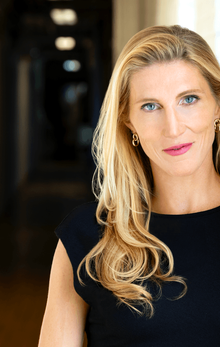
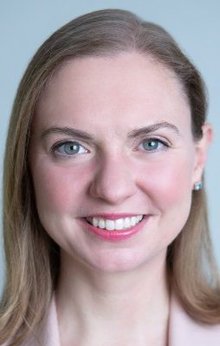
The World Health Organisation (WHO) has appointed Dr Vanessa Kerry as the WHO Director-General’s Special Envoy for Health Resilience, expanding her previous work on climate change and health into a broader agenda focused on strengthening health systems.
Vanessa, who became WHO’s first Director-General Special Envoy for Climate Change and Health in 2023, will engage with governments, development partners, multilateral institutions, civil society and the private sector to advocate for resilient, integrated and sustainably financed health systems.
Her appointment comes as countries face mounting pressures from climate change, disease outbreaks, conflict and funding constraints, with health systems expected to respond to both day-to-day needs and emerging threats.
European AI startup Cradle is applying advances in artificial intelligence to one of healthcare’s most complex challenges: understanding and engineering biology.
Its technology helps scientists decode and rewrite biological systems, with applications spanning therapeutics and other biological products.
The company has partnered with Lundbeck, a global biopharmaceutical company focused exclusively on brain health, to use AI-powered protein design to optimise biotherapeutics.
The collaboration highlights how AI is increasingly becoming a critical tool for accelerating drug discovery and developing new treatments for neurological conditions.
Chagas disease remains one of the most neglected parasitic infections in the Americas, affecting approximately six million people and often progressing from an acute infection to potentially life-threatening chronic disease.
Current treatments can require prolonged dosing and are associated with adverse effects that can lead patients to discontinue therapy, while less than 1% of affected individuals receive appropriate treatment.
Researchers at Novartis have identified IID432, an optimised small molecule that achieved sterile cure of chronic Trypanosoma cruzi infection in mice after a single oral dose.
The findings, published in the study titled: IID432, a parasite-selective topoisomerase II inhibitor, achieves rapid single-dose parasite clearance in a murine chronic Chagas model, point towards a potential new approach for shortening Chagas disease treatment.
Fertility care is expanding into a broader reproductive health category, shaped by earlier engagement with reproductive health and continued innovation to improve outcomes for women seeking treatment.
According to PwC, the market is being supported by delayed parenthood, rising awareness and expanding insurance coverage.
At the same time, advances across AI, diagnostics, pharmaceuticals, care delivery and consumer health are creating opportunities beyond traditional IVF treatment.
PwC expects the global fertility market to grow from approximately US$25-35bn today to around US$35-45bn by 2030.
Company portals










Executives
Claire Love
Principal and Partner
Edward Cinca
Senior Vice President Marketing
Fiona H. Marshall
President, Biomedical Research
Maziar Mike Doustdar
President and CEO
Stef van Grieken
Co-Founder & CEO
Tedros Adhanom Ghebreyesus
Director General
Vanessa Kerry, MD MSc
Director, Global and Climate Policy, Department of Environmental Health