
This Week in Healthcare: Colgate-Palmolive, AWS & Microsoft


Colgate-Palmolive has released its 2025 Sustainability & Social Impact Report, marking the completion of its five-year strategy.
The company has confirmed it reached approximately two billion children and families with oral health education since 1991, meeting a target set in 2020.
The report introduces targets for 2030, extending commitments across health education, environmental protection and community investment.
According to the company, it contributed more than US$250m to communities where it operates throughout the 2020-2025 strategy period.
Medical researchers are deploying artificial intelligence to combat antimicrobial resistance (AMR), a health condition where microorganisms evolve to withstand treatments that previously controlled them. The Fleming Initiative, a collaboration between Imperial College London and Imperial College Healthcare NHS Trust, is building a global intelligence platform to address drug-resistant infections.
Amazon Web Services (AWS) is providing technical support worth up to several million pounds to the Fleming Initiative. The package includes cloud computing resources, generative AI technology and technical expertise for the platform development.
According to the Fleming Initiative, AMR could cause 39 million deaths between 2025 and 2050. The organisation aims to connect data sources, researchers, healthcare professionals and public health bodies to address this threat.

The UK-US pharmaceuticals agreement marks a significant development for both healthcare delivery and global medical supply chains.
Designed to strengthen investment, improve patient access to innovative medicines and protect pharmaceutical exports, the arrangement is set to create new opportunities for the UK's life sciences sector.
Alongside changes to medicine pricing and evaluation, the deal also focuses on improving supply chain resilience and reducing the risk of future medicine shortages.
According to the NHS, living with obesity can lower life expectancy by up to 10 years, whilst also causing daily issues such as fatigue, pain, mental health issues and increasing health condition risks.
The British Nutrition Foundation states that weight management relies on energy intake, energy use, daily activities and medication and sometimes medication.
For people struggling with weight loss/management and diabetes, semaglutide’s (like GLP-1’s) can regulate insulin, reduce appetite and manage blood sugars.
Novo Nordisk and Vivani Medical have entered into agreement to allow for Novo Nordisk to evaluate the company’s semaglutide drug implant, NPM-139.

Lancashire County Council has deployed Microsoft generative AI tools across its social care services to reduce administrative workload and increase direct contact time between practitioners and residents.
The council serves more than 1.3 million people across adult services, children services and special educational needs. Social workers and support staff can now record visit notes using Microsoft Teams or Facilitator, which Microsoft 365 Copilot converts into structured case documentation.
According to Lancashire County Council, the implementation could save at least 225,000 hours annually across the organisation. Staff review all AI-generated output before finalising decisions, ensuring professional oversight remains central to the process.
Brett Aspden, Mental Health Social Care Lead at Lancashire County Council, says: "Being able to engage with the people we support is a key facet of social care.
"Paperwork and admin have always created barriers to how much time we can spend doing that. AI has supported me and our teams to have more time to focus on people."
Company portals














Executives
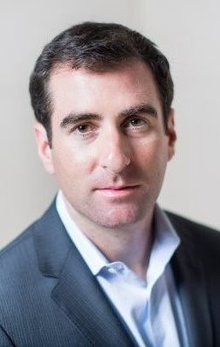
Adam Mendelsohn
CEO and President

Alison Holmes
Director

Amisha Chauhan
Head of Digital Strategy and Delivery

Ann Tracy
Chief Sustainability Officer

Brett Aspden
Mental Health Social Care Lead

Chris Hayes
Quality Review Officer

Dr Rowland Illing
Global Chief Medical Officer and Director, Healthcare and Life Sciences

Jamey Millar
Executive Vice President, US Operations
Liz Kendall
Secretary of State for Science, Innovation and Technology

Lord Patrick Vallance
Science Minister
Peter Kyle
Secretary of State for Business and Trade

Peter Lloyd
Director of Digital Services
Professor the Lord Darzi of Denham OM KBE PC FRS
Paul Hamlyn Chair of Surgery

Zubir Ahmed
Health Minister