
This Week's Top 5: Weight Loss, AI Drug Discovery & Fedex


FedEx has launched FedEx Life Sciences, a specialist division supporting the transportation of pharmaceuticals, medical devices, biologics, clinical trial materials and other critical healthcare shipments.
The new division will combine FedEx's global logistics network with specialist healthcare expertise and advanced monitoring capabilities to support pharmaceutical and healthcare stakeholders worldwide.
FedEx’s global healthcare revenues have already grown to approximately US$10bn, indicating healthcare’s prominent position within existing business operations.
As medicines become more specialised and globally distributed, healthcare companies need specialist logistics networks built for precision, visibility and reliability.
Asda Pharmacy has introduced two in-store weight management services, offering personalised weight management consultations at 19 pharmacy locations and a disposal scheme for consumers who have purchased unregulated weight management products.
The move comes in response to a surge in consumer demand for weight management services.
It also follows recent insights from UK General Practitioners, which point to a growing swathe of unregulated weight-loss products being sold to consumers in non-medical settings, including gyms, beauty salons and on social media.
According to the research, 86% of GPs have noticed an increase in patients being offered unregulated products, with another 25% encountering patients who required hospital care following complications caused by non-medically approved treatments.
AI has the potential to rapidly accelerate the pace of drug discovery and the development of healthcare interventions.
With the release of Claude Science, this potential could soon evolve into practical reality for all Claude paid subscribers.
Anthropic’s “AI workbench for scientists” aims to support medical researchers by providing open access to an AI agent equipped with more than 60 curated skills and connectors spanning a range of life science disciplines, all within an interface designed for the unique demands of scientific research.
Anthropic will also leverage its new product to pursue its own research and drug development programmes for rare and neglected diseases.
In healthcare settings, AI-powered ambient voice technology (AVT) records patient-clinician conversations and converts speech into structured medical documentation that can be uploaded to electronic patient records.
NHS England Midlands is the first region to have procured at scale a provider of AI-powered AVT for its 1,239 GP practices and more than 70,000 clinicians across 15 acute and community trusts, freeing up GPs to see more patients and reforming traditional administrative practices.
The new regional procurement framework gives clinicians a single route to deploy AVT at scale, marking the first and largest of its kind in the NHS.
AI medical transcription developer Heidi Health has been selected as the sole supplier following the procurement process.
According to the NHS, approximately 30% of adults in England live with obesity and more than 66% are either overweight or obese.
Obesity is linked with severe health issues like heart disease, stroke and diabetes, costing the UK approximately £107bn (US$143bn) annually.
To tackle obesity and the cost of it, the UK Government and Eli Lilly is providing a £85m (US$114m) grant to fund 12 obesity projects from apps and round-the-clock advice on WhatsApp to AI-powered triage.








Executives
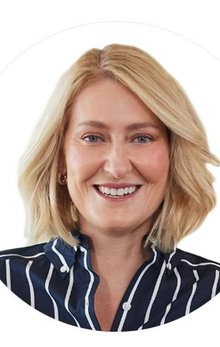
Brie Carere
Executive Vice President and Chief Customer Officer

Chris Stokes
President and General Manager, Eli Lilly UK and Northern Europe

Emmanuel Frenehard
Chief Digital Officer
Eric Kauderer-Abrams
Head of Biology & Life Sciences

Faisal Tuddy
Head of Pharmacy
Liz Kendall
Secretary of State for Science, Innovation and Technology
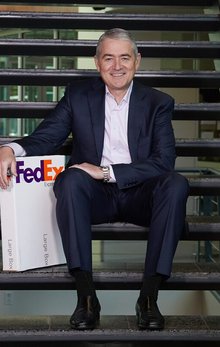
Nick Gennari
President of Global Healthcare & Life Sciences

Stephen Kinnock
Minister of State for Care