
Which UK Universities are Leading Osteoarthritis Research?

According to the NHS, osteoarthritis is the most common type of arthritis in the UK, causing joints to become painful and stiff and in some cases, swollen.
As with most health issues, symptoms can vary depending on person, age and area affected.
The Stratification of Osteoarthritis to Promote Living Well and Treatment Effectiveness (SOLVE) involves researchers from multiple universities, aiming to understand the processes leading to osteoarthritis, as well as how to improve treatment options.
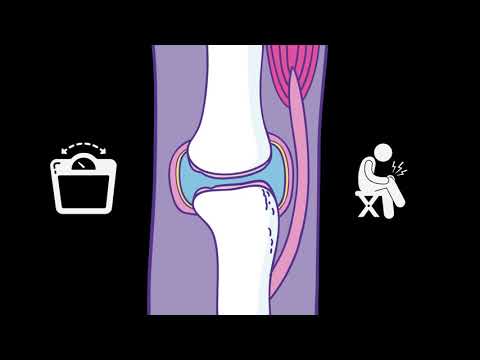
Universities for osteoarthritis
Major UK universities including Imperial College London, Leeds, Keele, Oxford, Edinburgh, Nottingham and Southampton are carrying out research to better understand this chronic, degenerative disease.
SOLVE is being supported by a £3m (US$4m) award from Arthritis UK as part of the charity’s initiative to harness ‘team science’.
The consortium is set to be led by Professor Philip Conaghan, Director of the NHIR Leeds Biomedical Research Centre and Professor Melanie Holden of Keele University.
"The new Arthritis UK Consortium, SOLVE, is an exciting programme that will, for the first time, bring together previously separate fields, data and expertise to create the evidence needed to improve care and outcomes for people living with osteoarthritis, from those at risk to people with severe joint disease needing a joint replacement,” says Professor Philip Conaghan.
Osteoarthritis challenges
Researchers across the UK are set to join forces in this groundbreaking study to find out how biological factors, social factors and life events influence the condition.
According to Arthritis UK, 10 million people in the UK are living with osteoarthritis, with cases rising due to ageing populations and increasing obesity rates.
Despite this, treatment options remain limited.
“We are proud to fund research that is operating at the forefront of medical advancements, that listens to patient voices and is committed to improving the very limited number of treatment options available,” says Professor Lucy Donaldson, Director of Research at Arthritis UK.
“SOLVE will not only improve outcomes for those who face daily challenges from managing a complex and often-debilitating condition, but also improve knowledge amongst healthcare professionals, and inform on wider Government MSK policy, truly driving positive change.”
The SOLVE consortium aims to address the challenge by applying cutting-edge science to both existing and newly collected data, including tissue samples and patient interviews, across four key areas:
- Identifying osteoarthritis subgroups to improve targeted treatments
- Examining how factors such as joint injuries and menopause affect risk
- Developing tools to predict rapid disease progression and support earlier intervention
- Creating inclusive, tailored exercise programmes that overcome social barriers to participation.
“Part of why we have not been successful so far in developing new treatments for osteoarthritis is that there is a lot of variation in how the condition affects different people and how it evolves over time,” says Dr Fiona Watt, Clinical Associate Professor in Rheumatology at Imperial College London.
“This work aims to address this area directly to make real progress for people living with osteoarthritis.
“I am excited that we will develop further research that we have spearheaded at Imperial, to better understand different risks of osteoarthritis in high-risk populations for osteoarthritis including women and those who have experienced a significant joint injury.
“The consortium includes exceptional UK researchers who will be working closely together to tackle this important topic and we are delighted to be a part”.
Current treatment options
Current osteoarthritis treatment plans often overlook factors such as lifestyle, menopause and joint injuries, despite their significant influence on disease severity.
As a result, many patients receive generalised care that may not effectively relieve symptoms including pain, stiffness and swelling, all of which can heavily affect daily life.
SOLVE aims to improve outcomes by identifying different osteoarthritis “subgroups” and matching treatments more closely to individual patient needs.
Patient perspectives will guide every stage of the research to help shape more personalised and effective care pathways.
“After my diagnosis, the exercises and pain relief I was given hadn't worked. Keyhole surgery helped, but 10 years later my symptoms worsened - I couldn't walk 20 minutes without being in lots of pain and taking strong pain killers,” says Zeyd Kateregga, patient partner on the SOLVE consortium.
“Osteoarthritis has really impacted my life; I joined gym classes with other people who live with osteoarthritis.
“They're aged between 18 and 80 and we all experience the condition in our own way.
“I try to stay positive even though my experience with healthcare hasn't always been great.
“Knowing that SOLVE is taking a compassionate and informed approach to researching osteoarthritis gives me hope that things are changing for the better.”
According to the NHS, while there is no cure for osteoarthritis, the condition does not always worsen over time and a range of treatments can help manage symptoms.
These include lifestyle changes such as maintaining a healthy weight and exercising regularly, medications to relieve pain and supportive therapies that make everyday activities easier.
In some cases, surgery to repair, strengthen or replace damaged joints may also be considered when other treatments are unsuccessful.
Research is due to commence in May 2026, bringing together healthcare professionals and people who live with osteoarthritis.
Company portals









Executives

Dr Fiona Watt
Clinical Associate Professor in Rheumatology
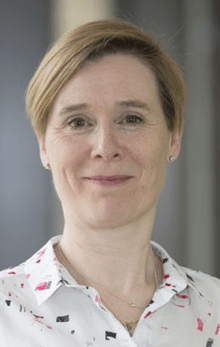
Professor Lucy Donaldson
Director of Research
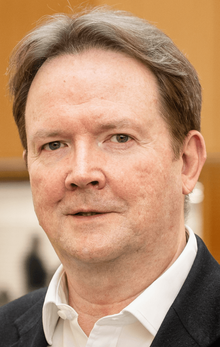
Professor Philip Conaghan
Director of the NHIR Leeds Biomedical Research Centre